

18 products
-
Available Online1.32 CT. Alternating Round Brilliant and Marquise Cut Diamond Half Eternity Band in Platinum
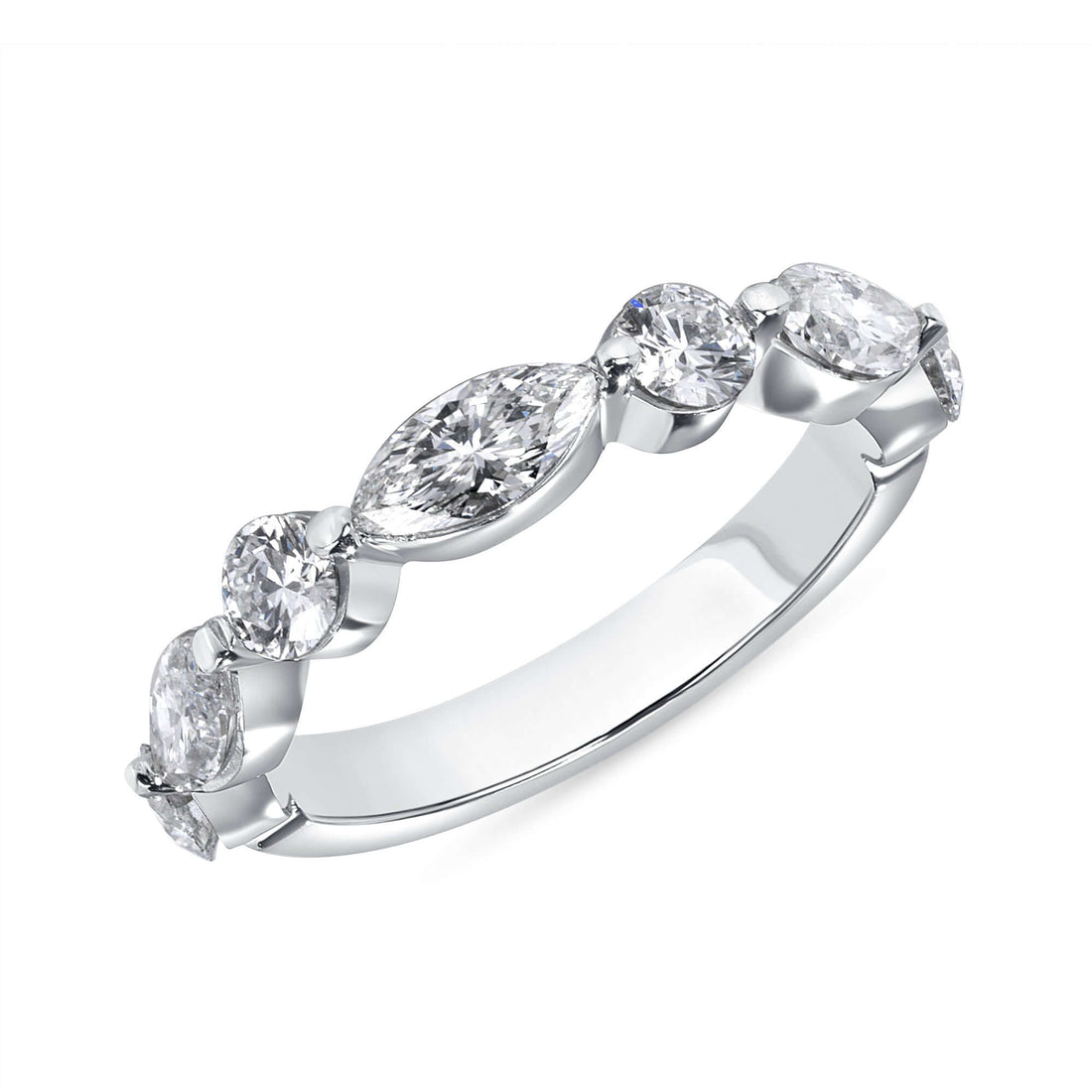
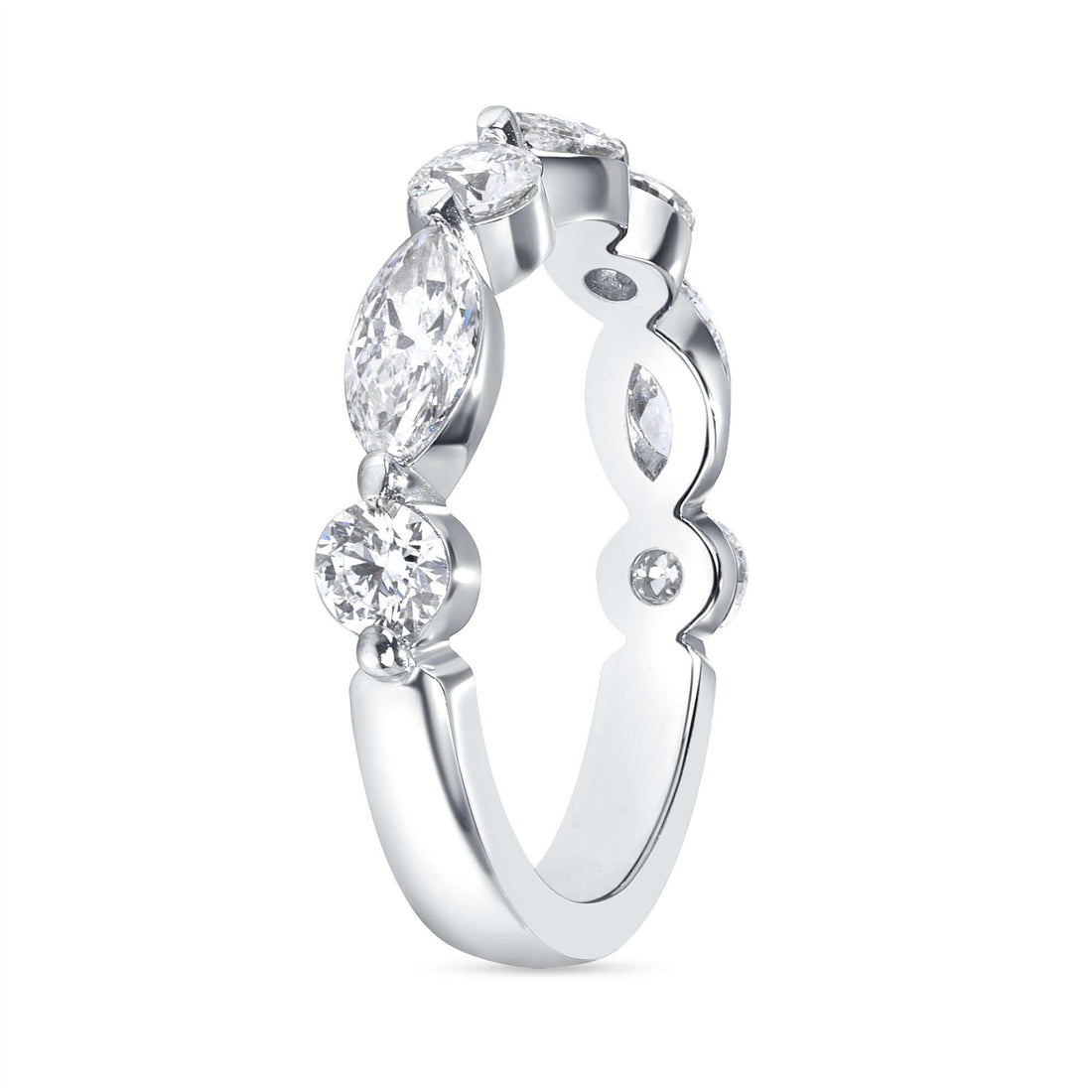 1.32 CT. Alternating Round Brilliant and Marquise Cut Diamond Half Eternity Band in Platinum
- Regular price
-
$3,250.00 USD - Regular price
-
- Sale price
-
$3,250.00 USD
Quick view
-
Available Online1.34 CT. Alternating Oval Cut Fancy Yellow Diamond and Round Brilliant Diamond Ring in 18K Yellow Gold and Platinum
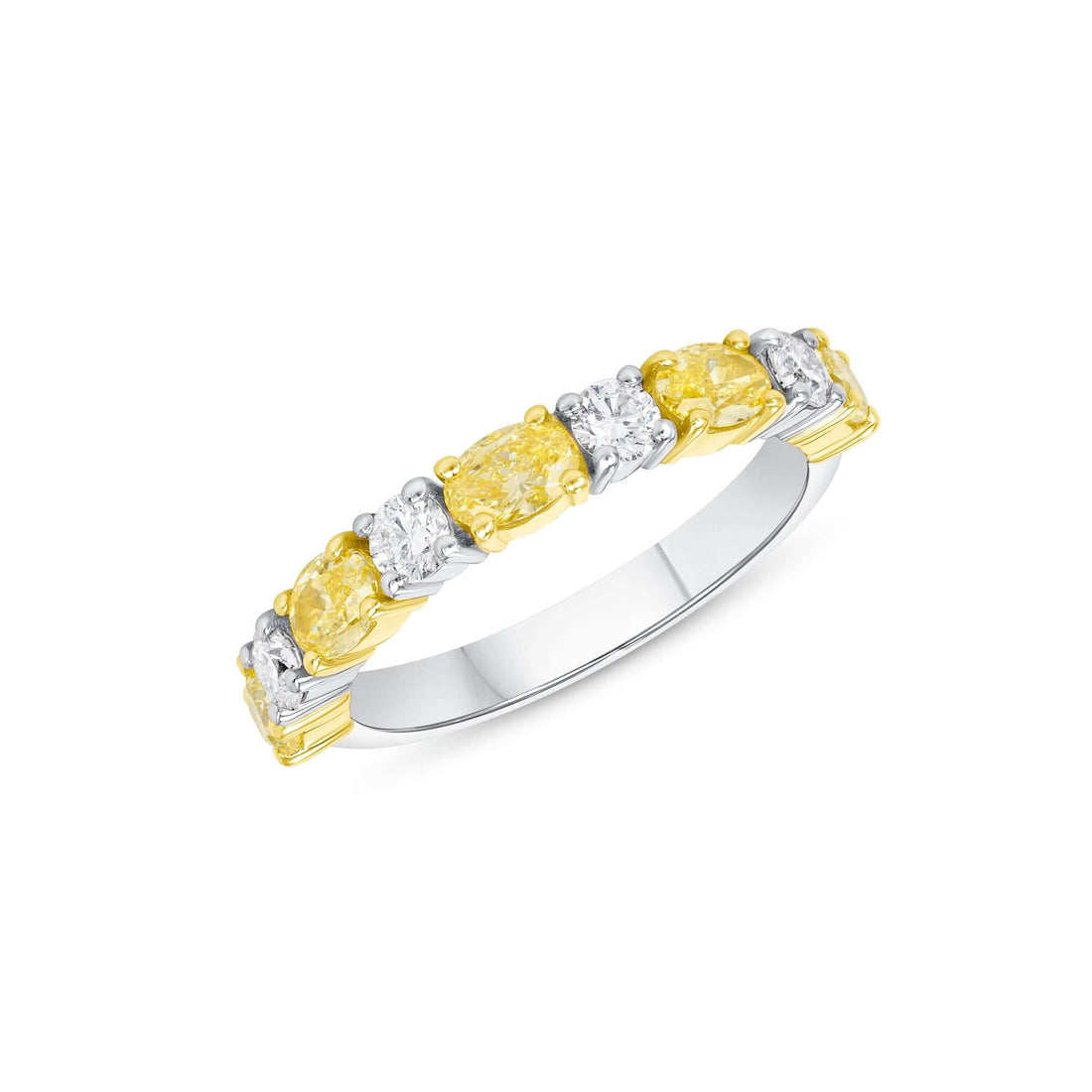
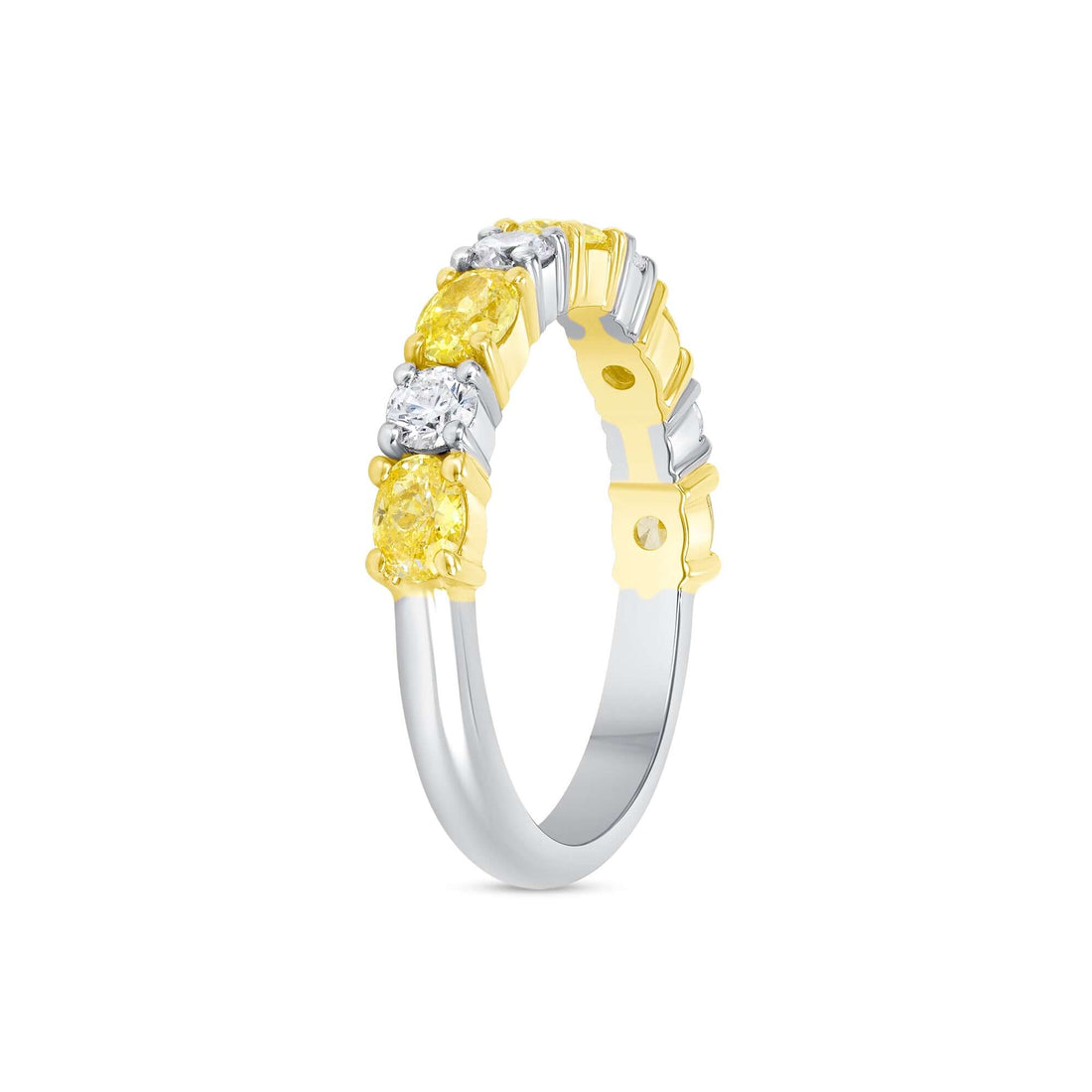 1.34 CT. Alternating Oval Cut Fancy Yellow Diamond and Round Brilliant Diamond Ring in 18K Yellow Gold and Platinum
- Regular price
-
$4,650.00 USD - Regular price
-
- Sale price
-
$4,650.00 USD
Quick view
-
Available Online3.9 CT. Alternating Round Brilliant Blue Sapphire and Diamond Hoop Earrings in 14k White Gold
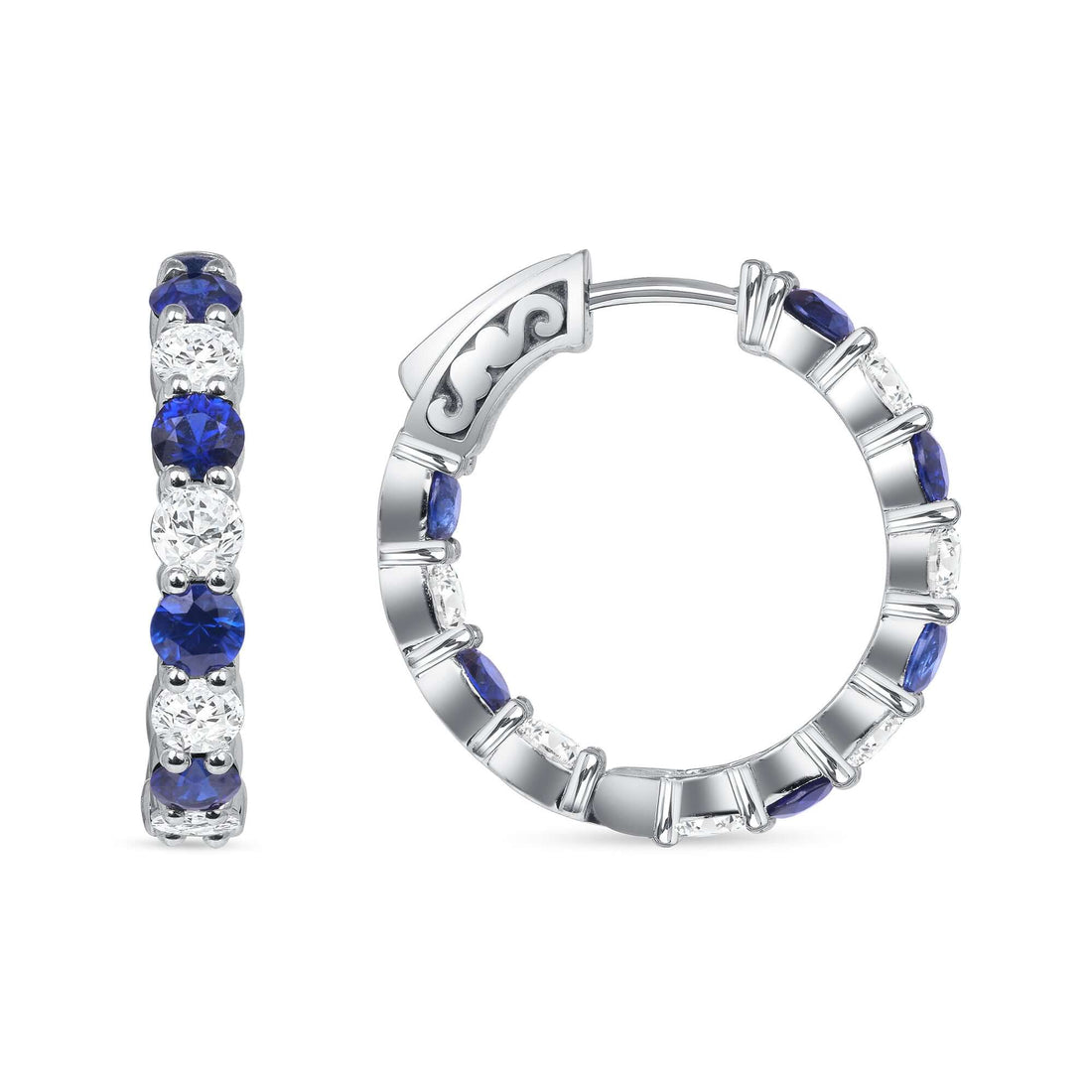
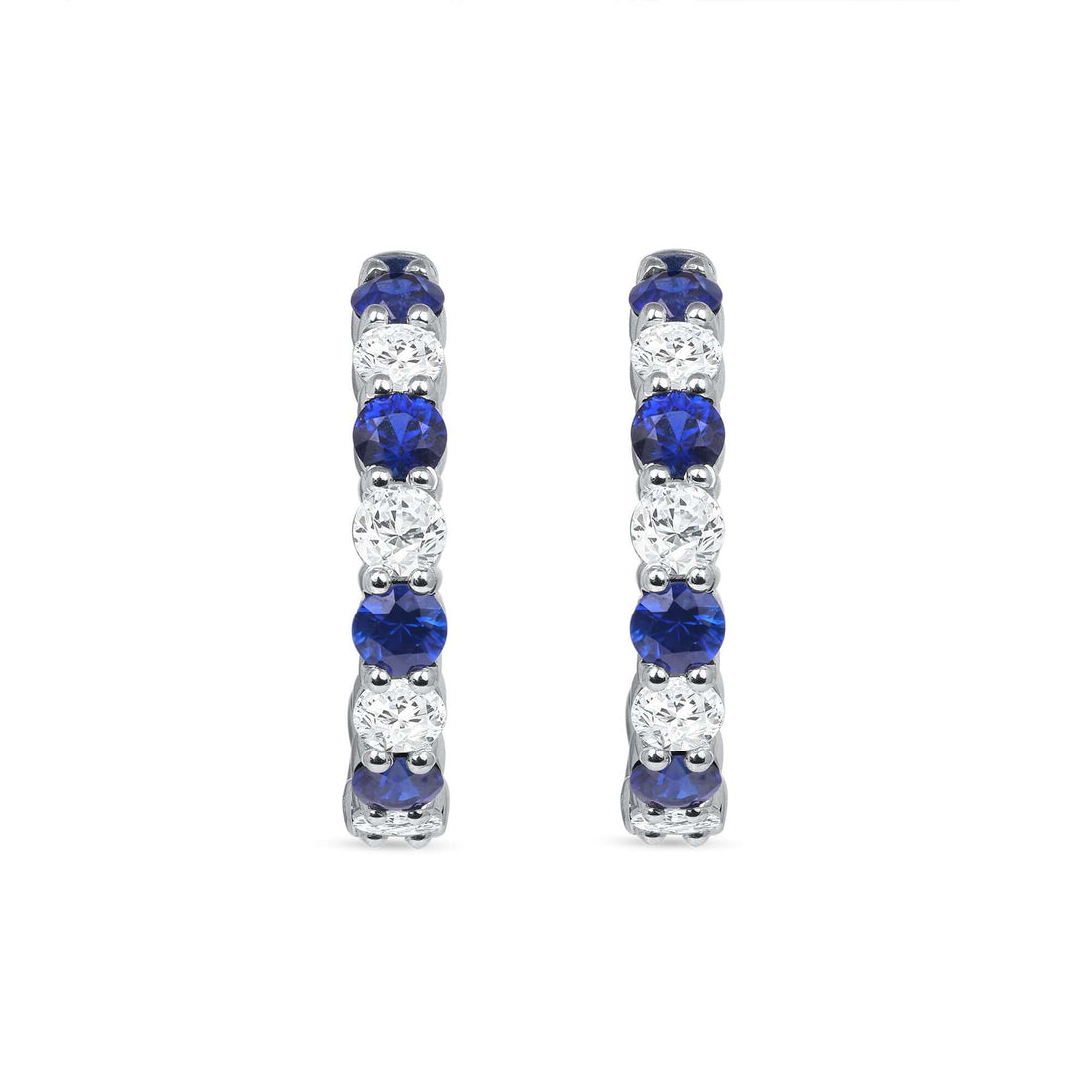 3.9 CT. Alternating Round Brilliant Blue Sapphire and Diamond Hoop Earrings in 14k White Gold
- Regular price
-
$4,850.00 USD - Regular price
-
- Sale price
-
$4,850.00 USD
Quick view
-
Available Online2.9 CT. Alternating Round Brilliant Blue Sapphire and Diamond Halfway Ring in Platinum
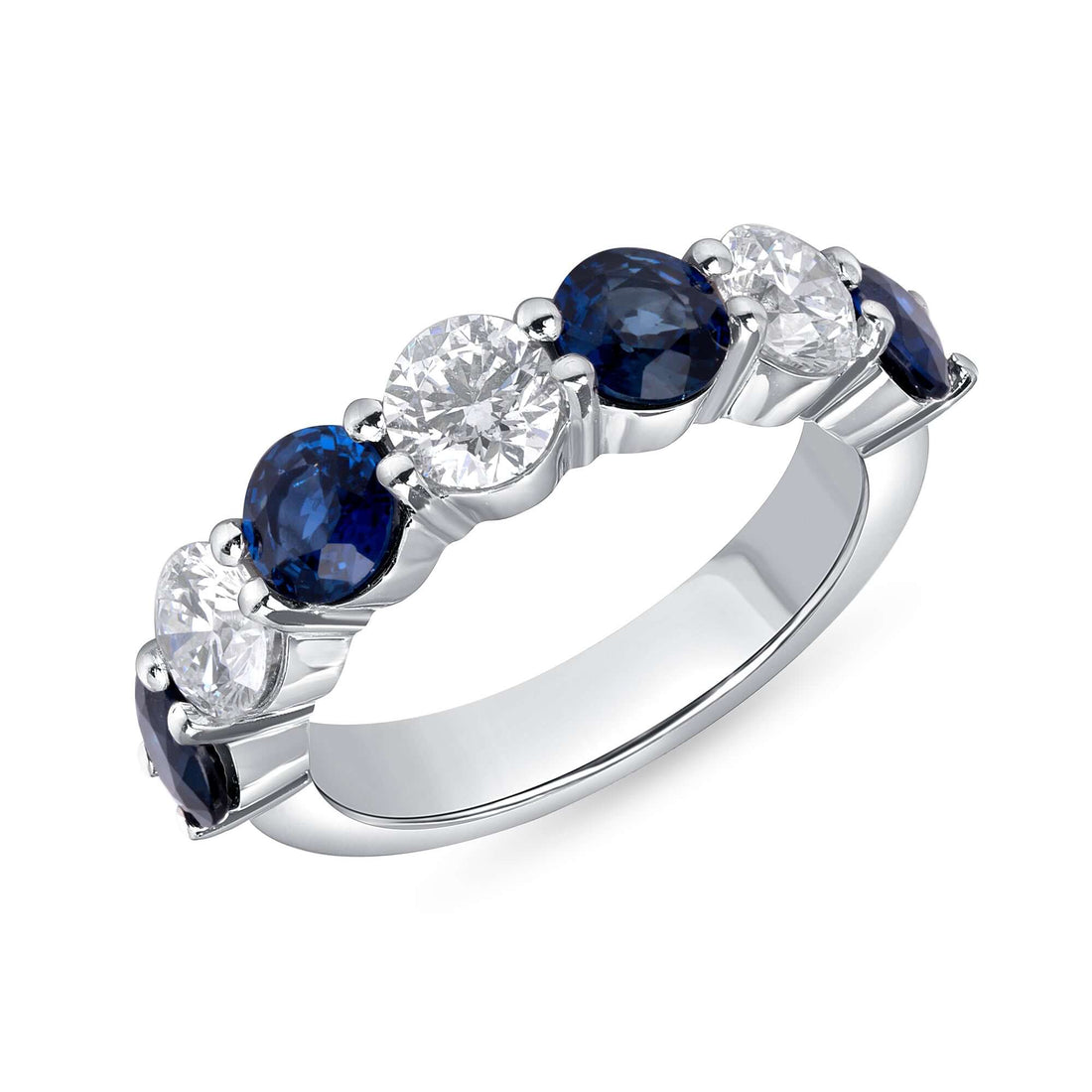
 2.9 CT. Alternating Round Brilliant Blue Sapphire and Diamond Halfway Ring in Platinum
- Regular price
-
$5,250.00 USD - Regular price
-
- Sale price
-
$5,250.00 USD
Quick view
-
Available Online4.41 CT. Alternating Round Brilliant Diamond and Ruby Hoop Earrings in 14K White Gold
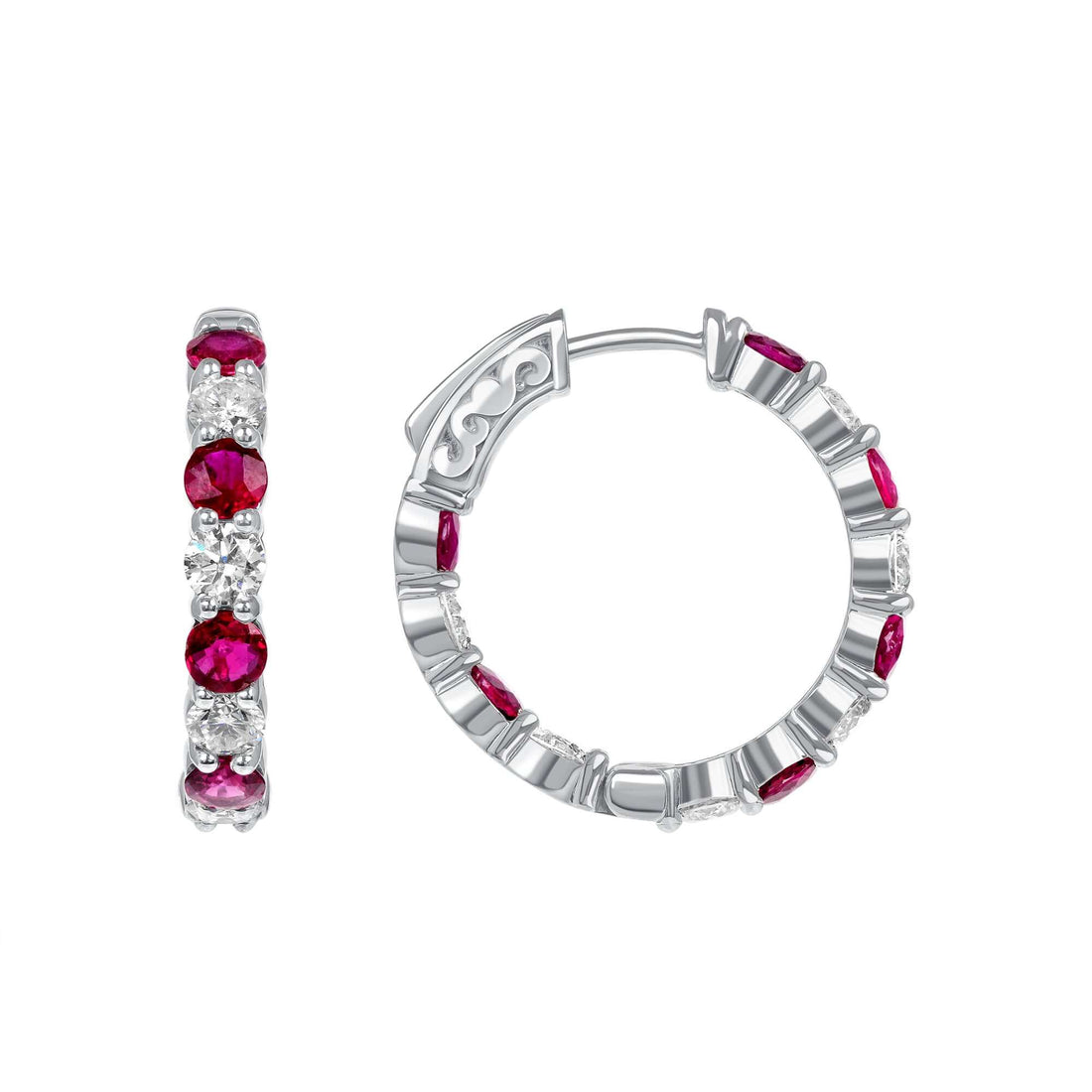
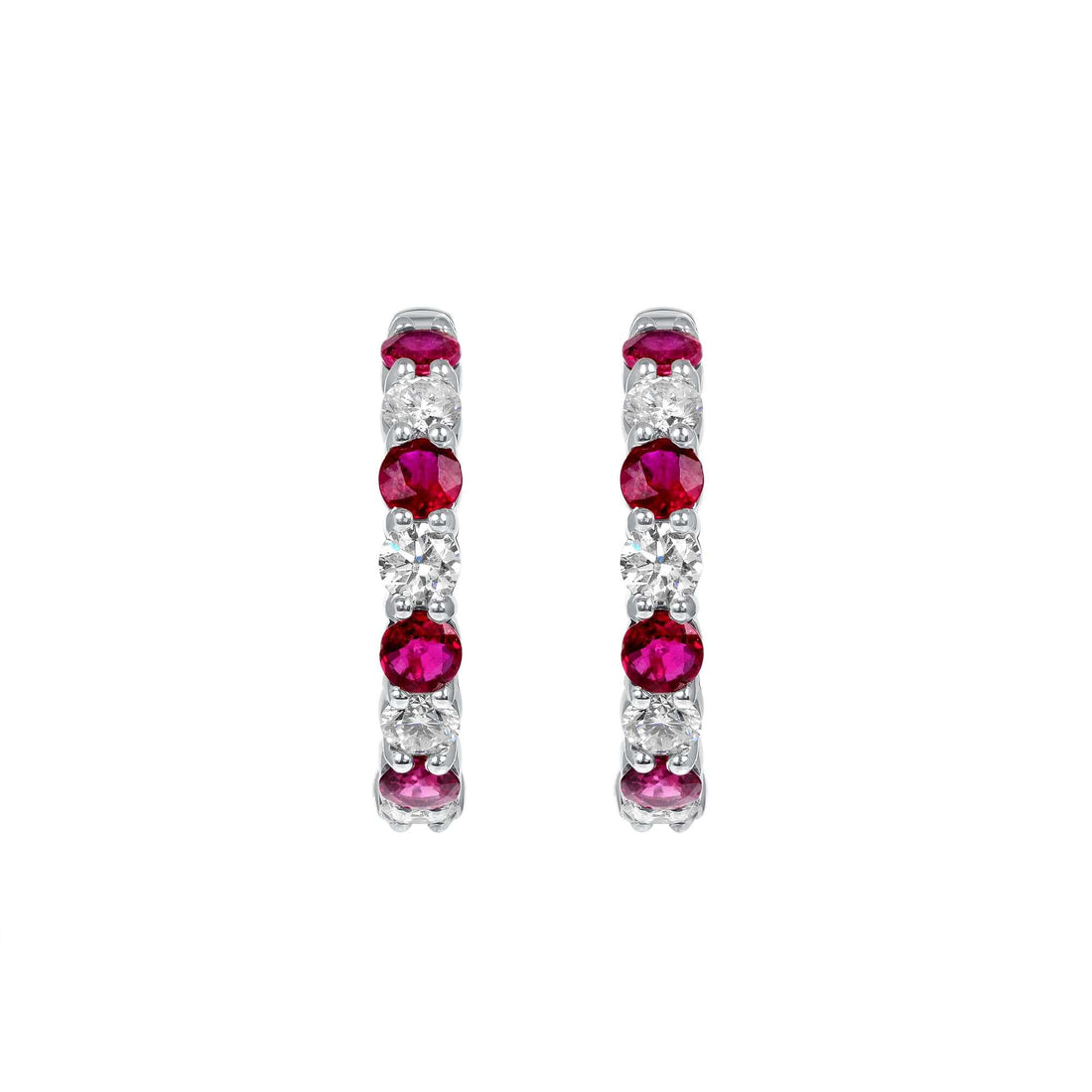 4.41 CT. Alternating Round Brilliant Diamond and Ruby Hoop Earrings in 14K White Gold
- Regular price
-
$5,550.00 USD - Regular price
-
- Sale price
-
$5,550.00 USD
Quick view
-
Available Online3.57 CT. Alternating Round Brilliant Blue Sapphire and Diamond Eternity Band in Platinum
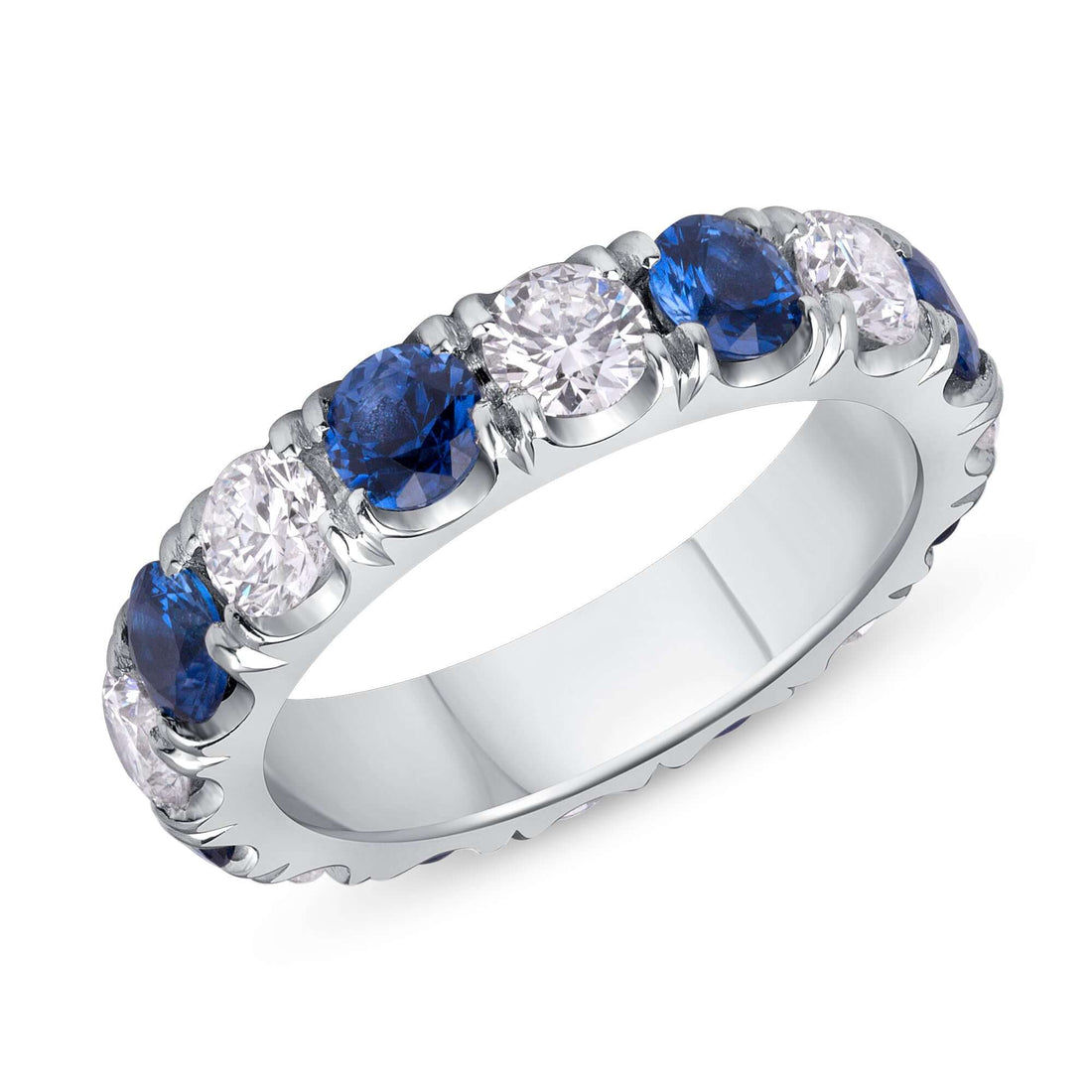
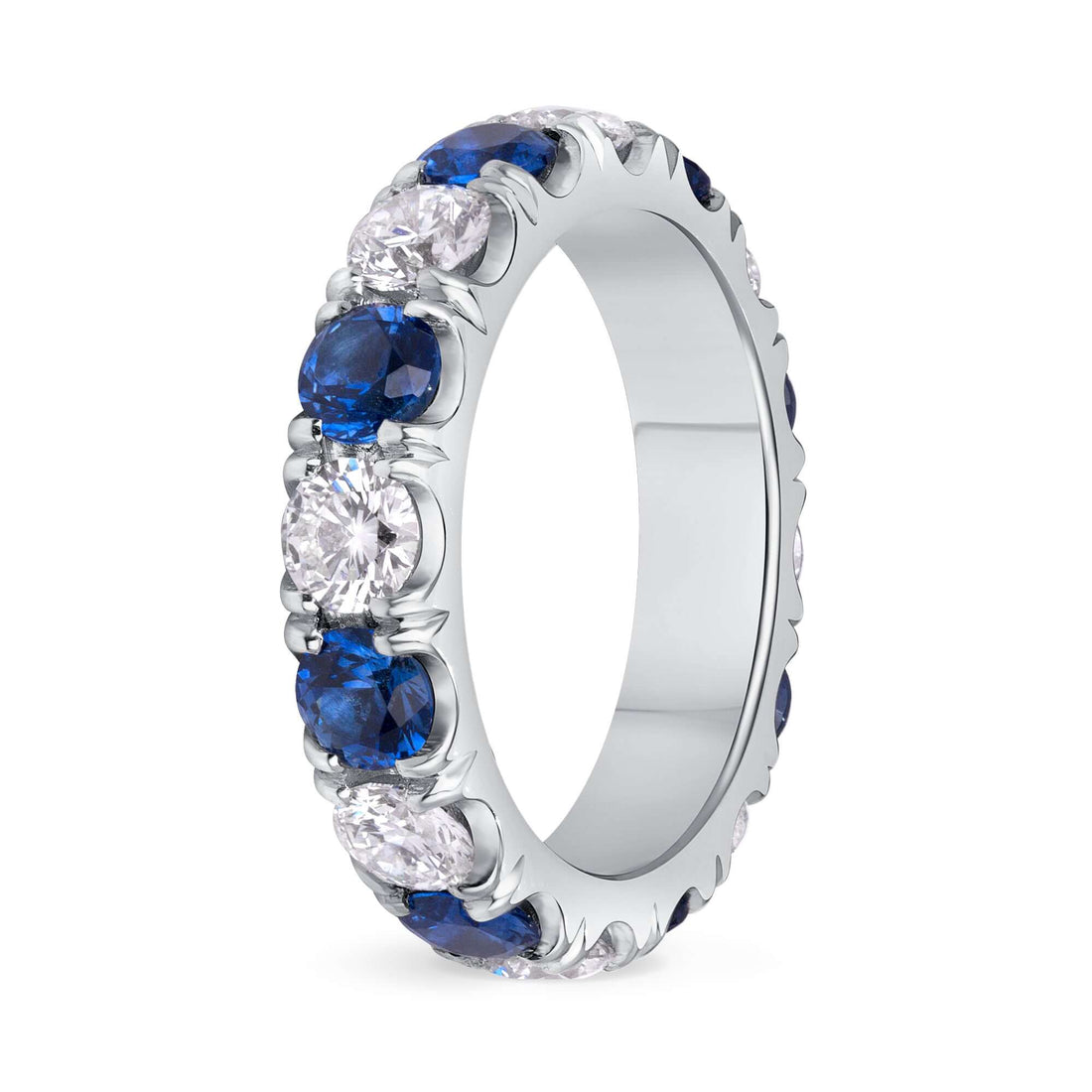 3.57 CT. Alternating Round Brilliant Blue Sapphire and Diamond Eternity Band in Platinum
- Regular price
-
$5,850.00 USD - Regular price
-
- Sale price
-
$5,850.00 USD
Quick view
-
Available Online4.92 CT. Alternating Round Brilliant Blue Sapphire and Diamond Clasp Bracelet in Bezel Setting
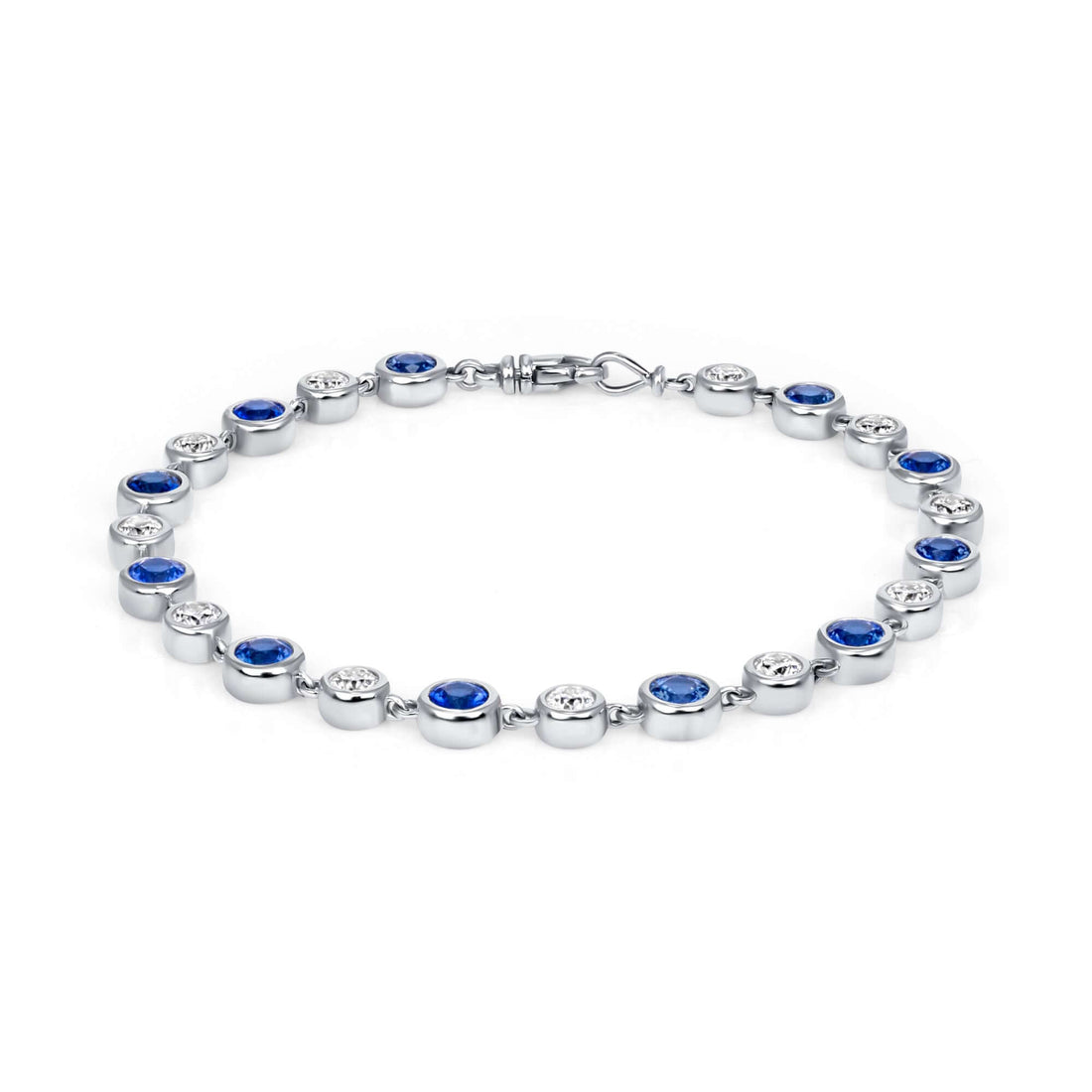
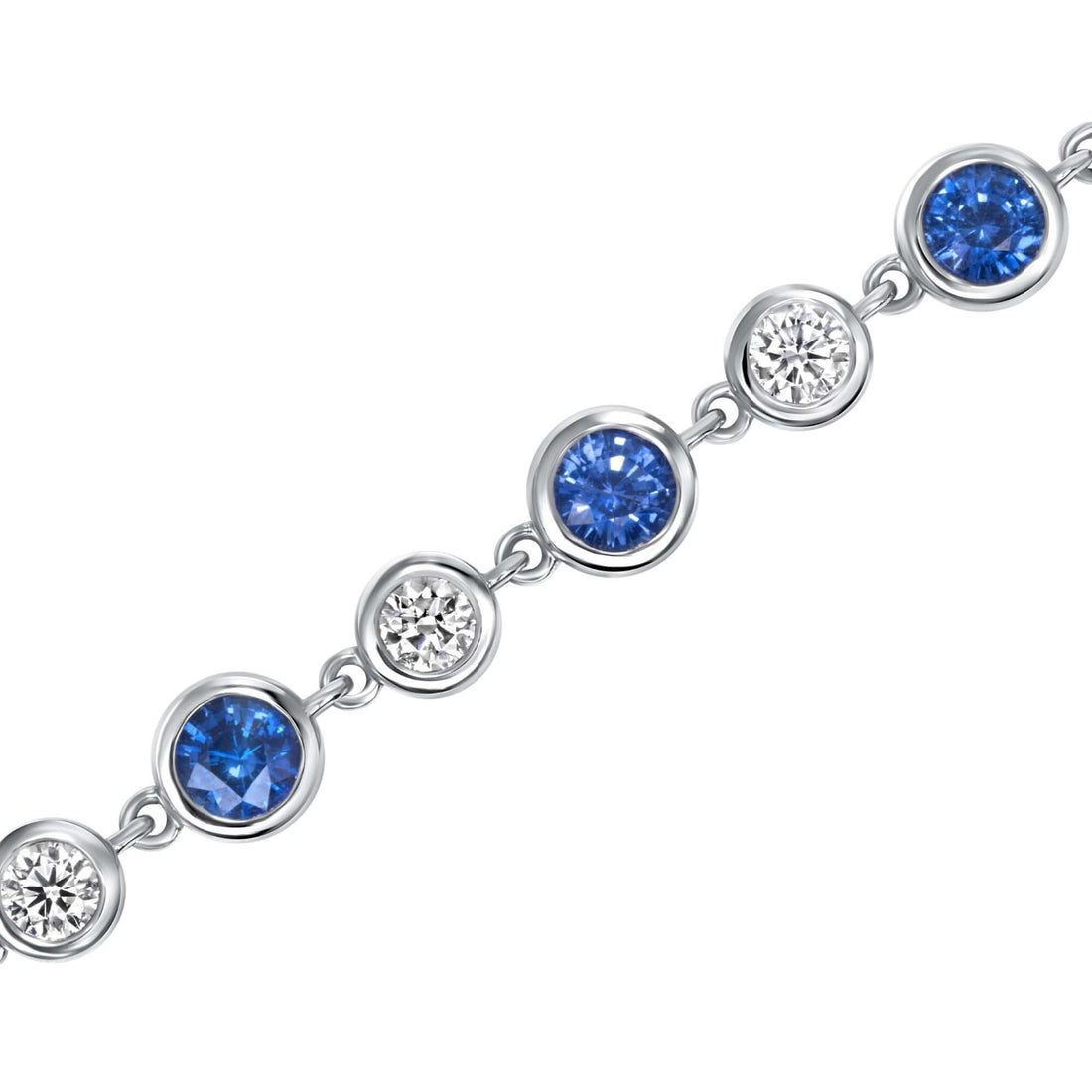 4.92 CT. Alternating Round Brilliant Blue Sapphire and Diamond Clasp Bracelet in Bezel Setting
- Regular price
-
$6,150.00 USD - Regular price
-
- Sale price
-
$6,150.00 USD
Quick view
-
11.26 CT. Alternating Princess Cut Blue Sapphire and Diamond Tennis Bracelet in 14K White Gold
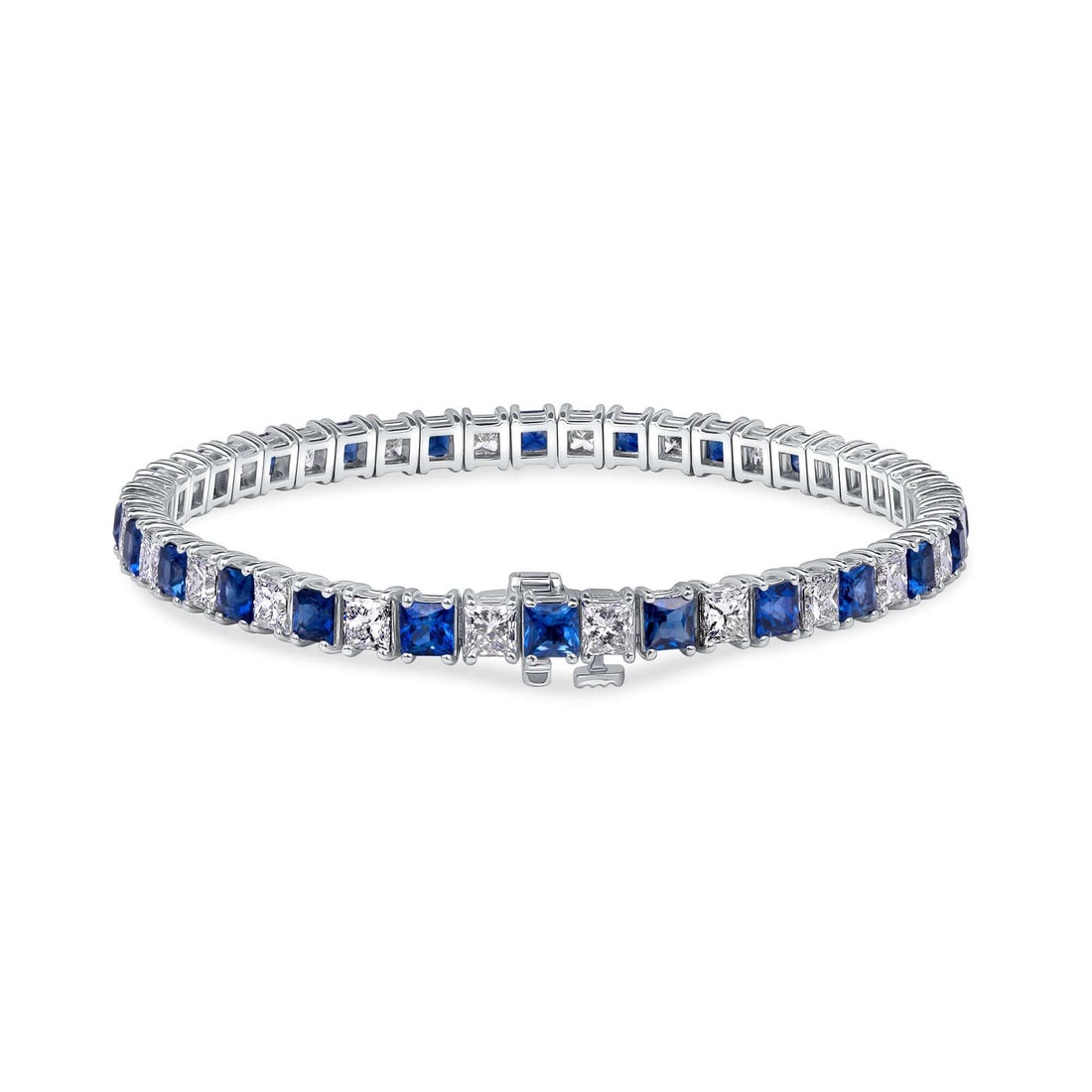
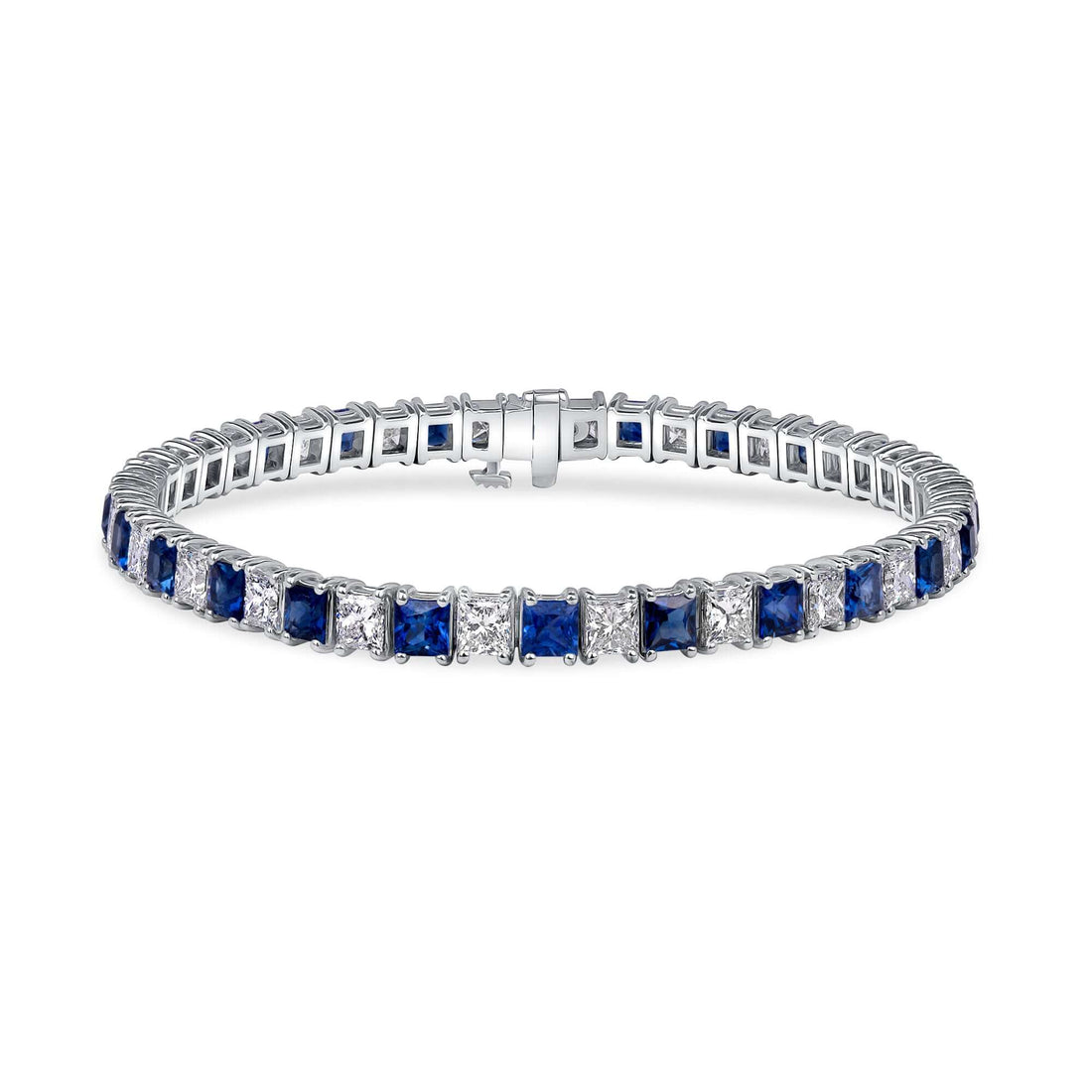 11.26 CT. Alternating Princess Cut Blue Sapphire and Diamond Tennis Bracelet in 14K White Gold
- Regular price
-
$11,450.00 USD - Regular price
-
- Sale price
-
$11,450.00 USD
Quick view
-
15.32 CT. Alternating Round Brilliant Blue Sapphire and Diamond Tennis Bracelet in 14K White Gold
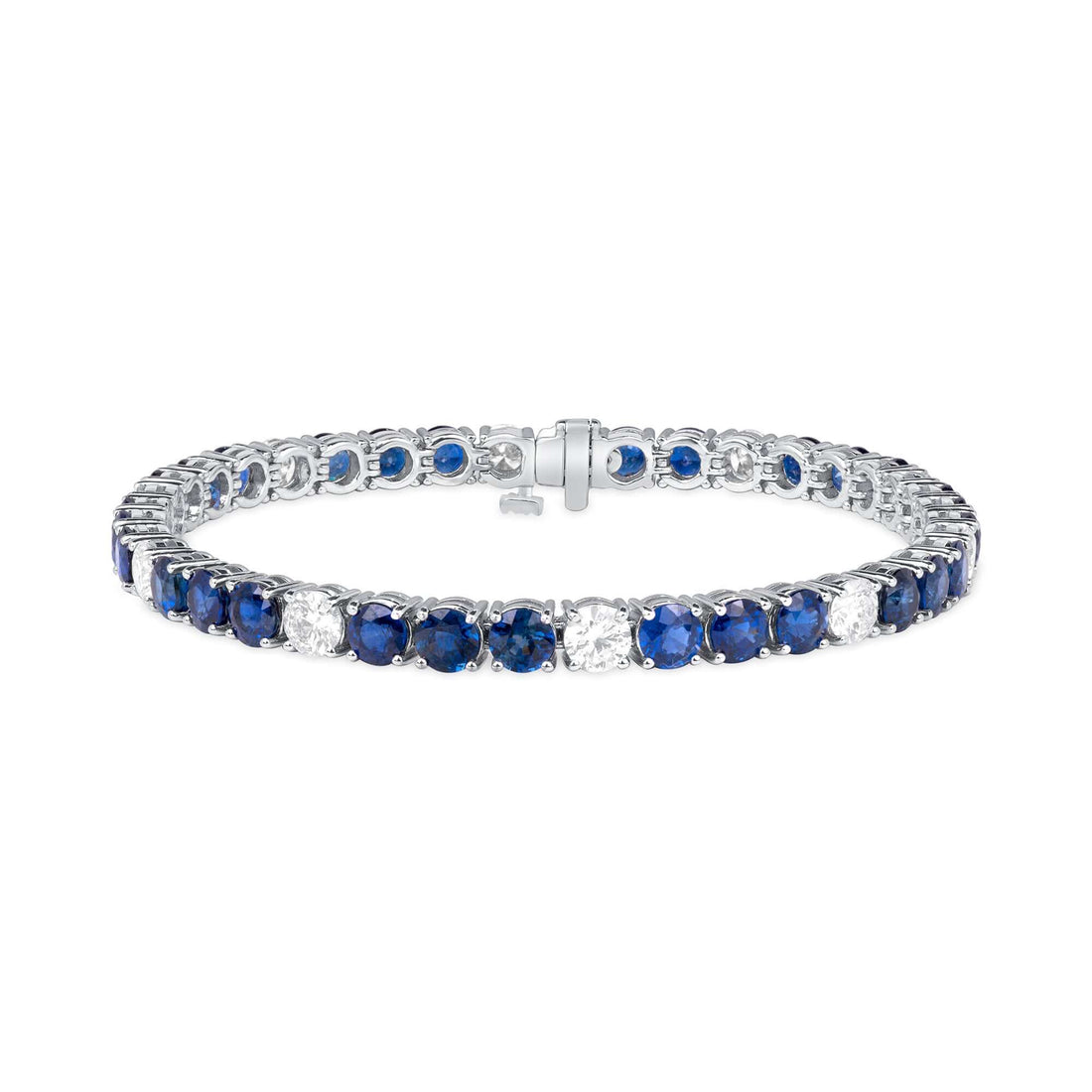
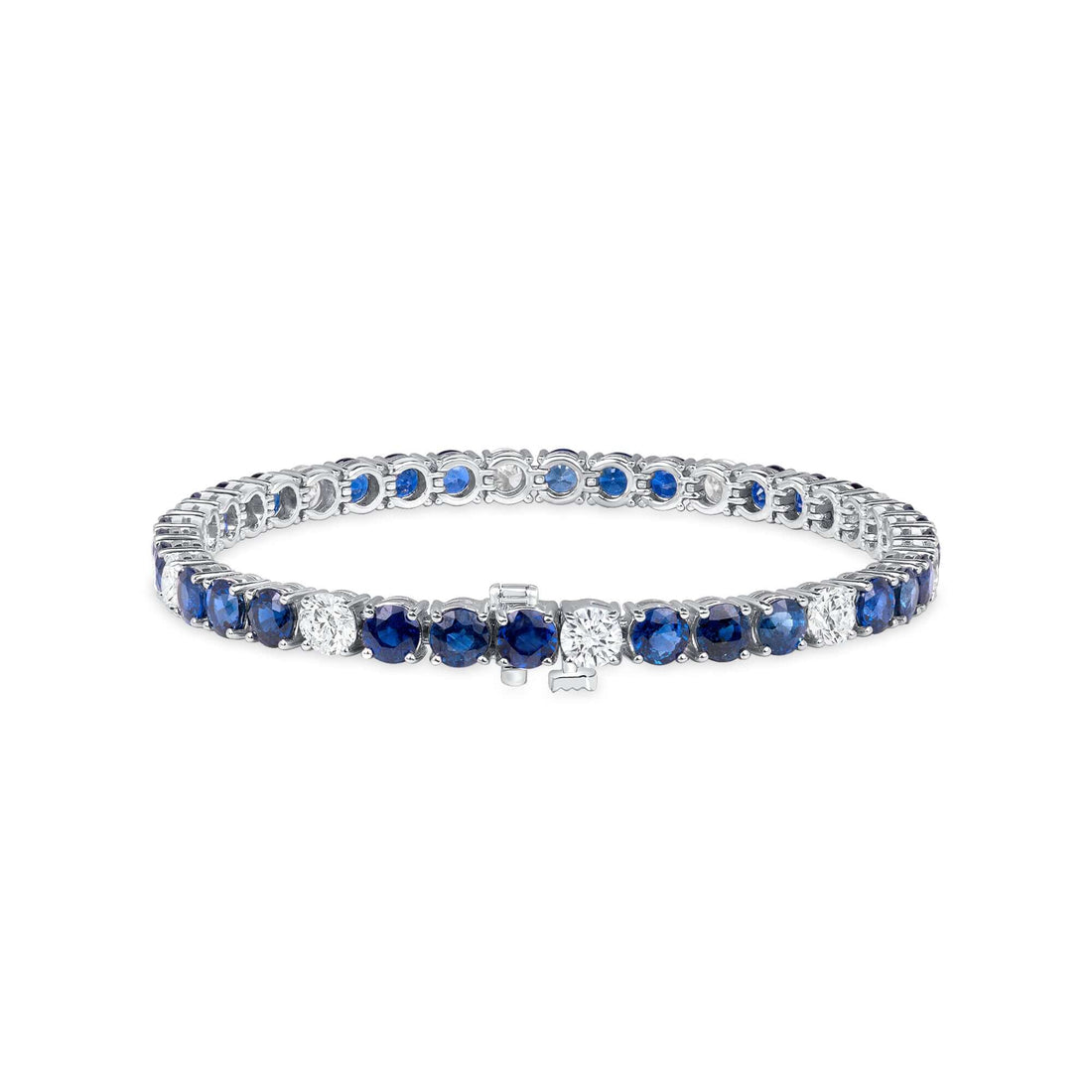 15.32 CT. Alternating Round Brilliant Blue Sapphire and Diamond Tennis Bracelet in 14K White Gold
- Regular price
-
$13,600.00 USD - Regular price
-
- Sale price
-
$13,600.00 USD
Quick view
-
3.76 CT. Alternating Princess & Emerald Cut Diamond Half Eternity Ring in Platinum
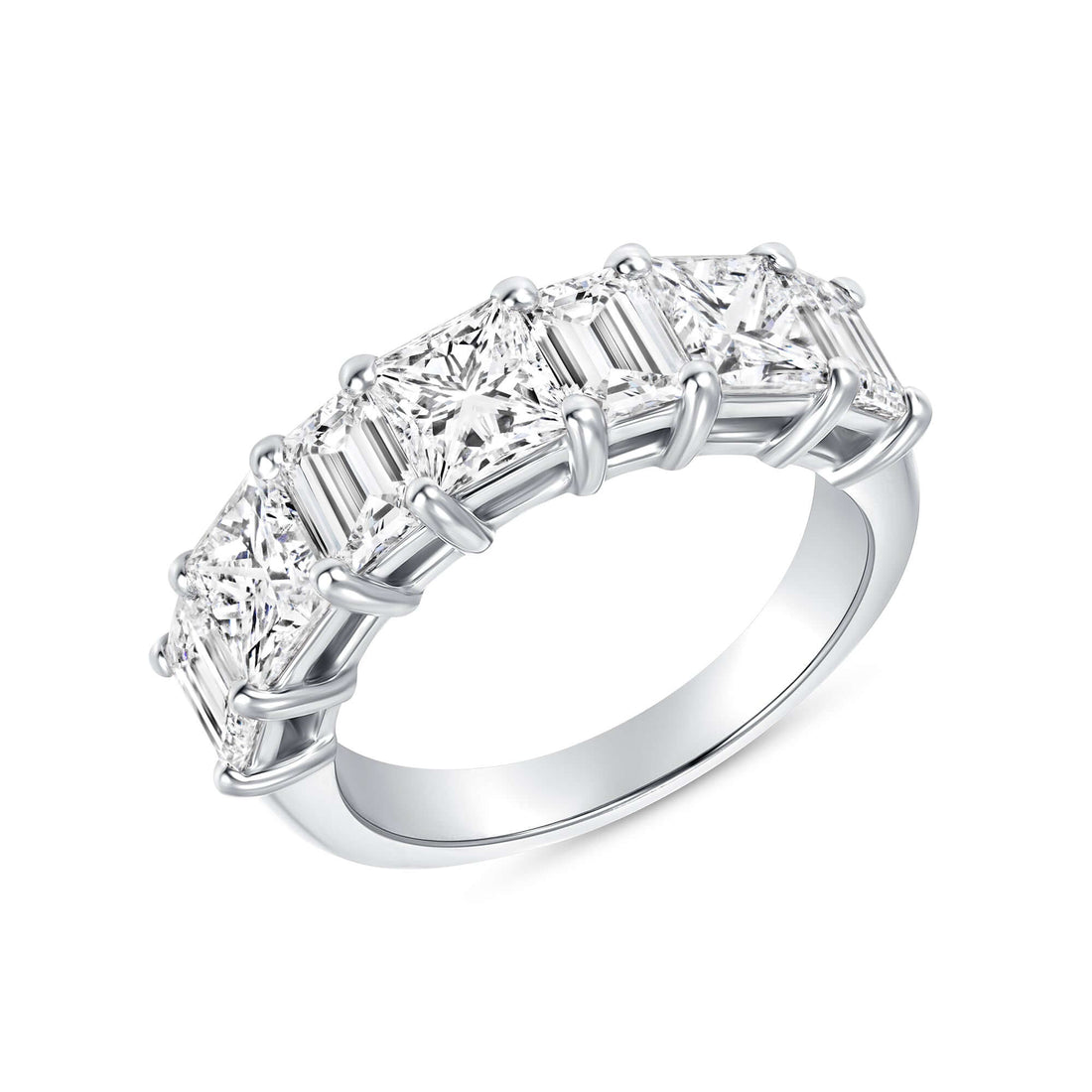
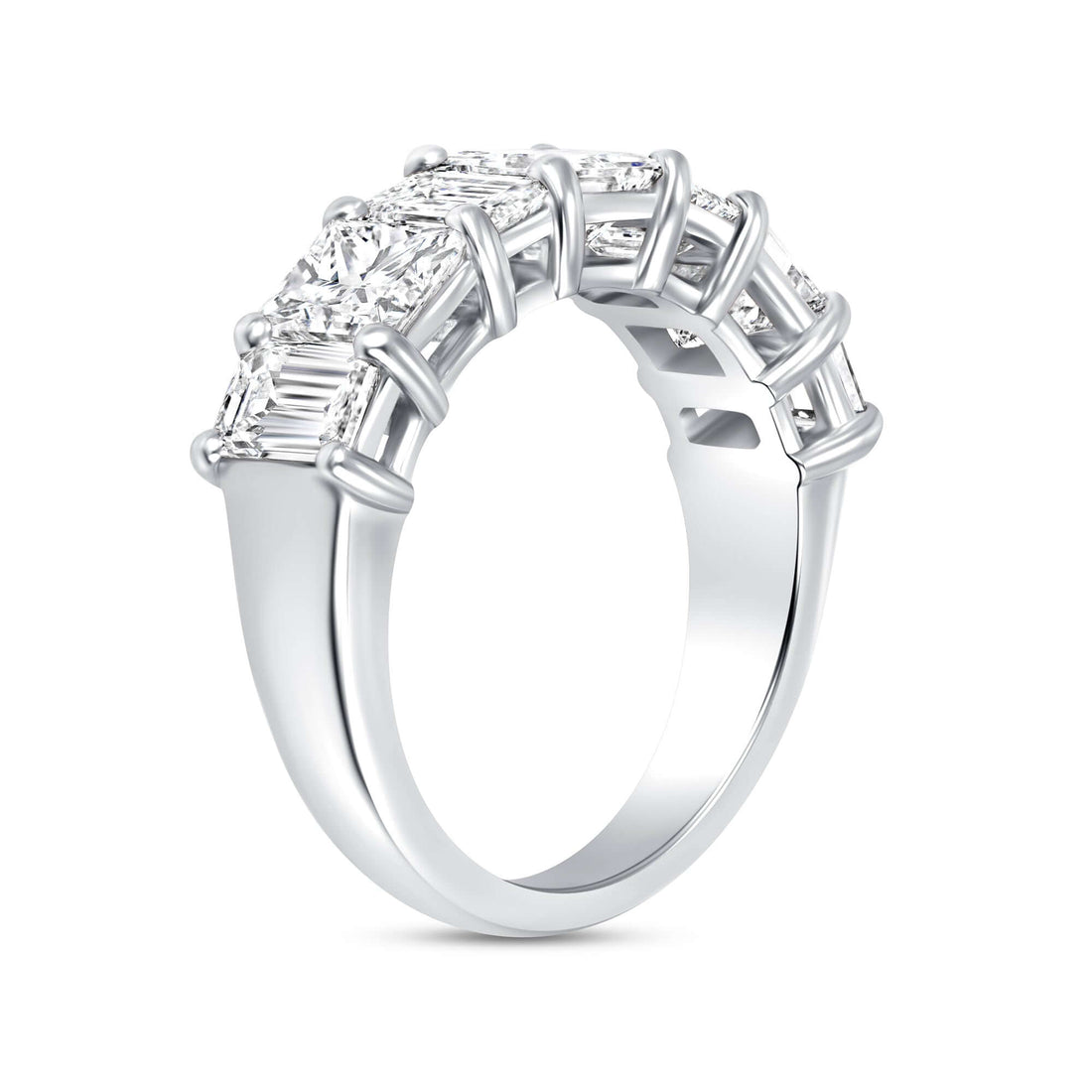 3.76 CT. Alternating Princess & Emerald Cut Diamond Half Eternity Ring in Platinum
- Regular price
-
$15,600.00 USD - Regular price
-
- Sale price
-
$15,600.00 USD
Quick view
-
12.9 CT. Alternating Round Brilliant Diamond and Blue Sapphire Bezel Set Necklace in 14K White Gold
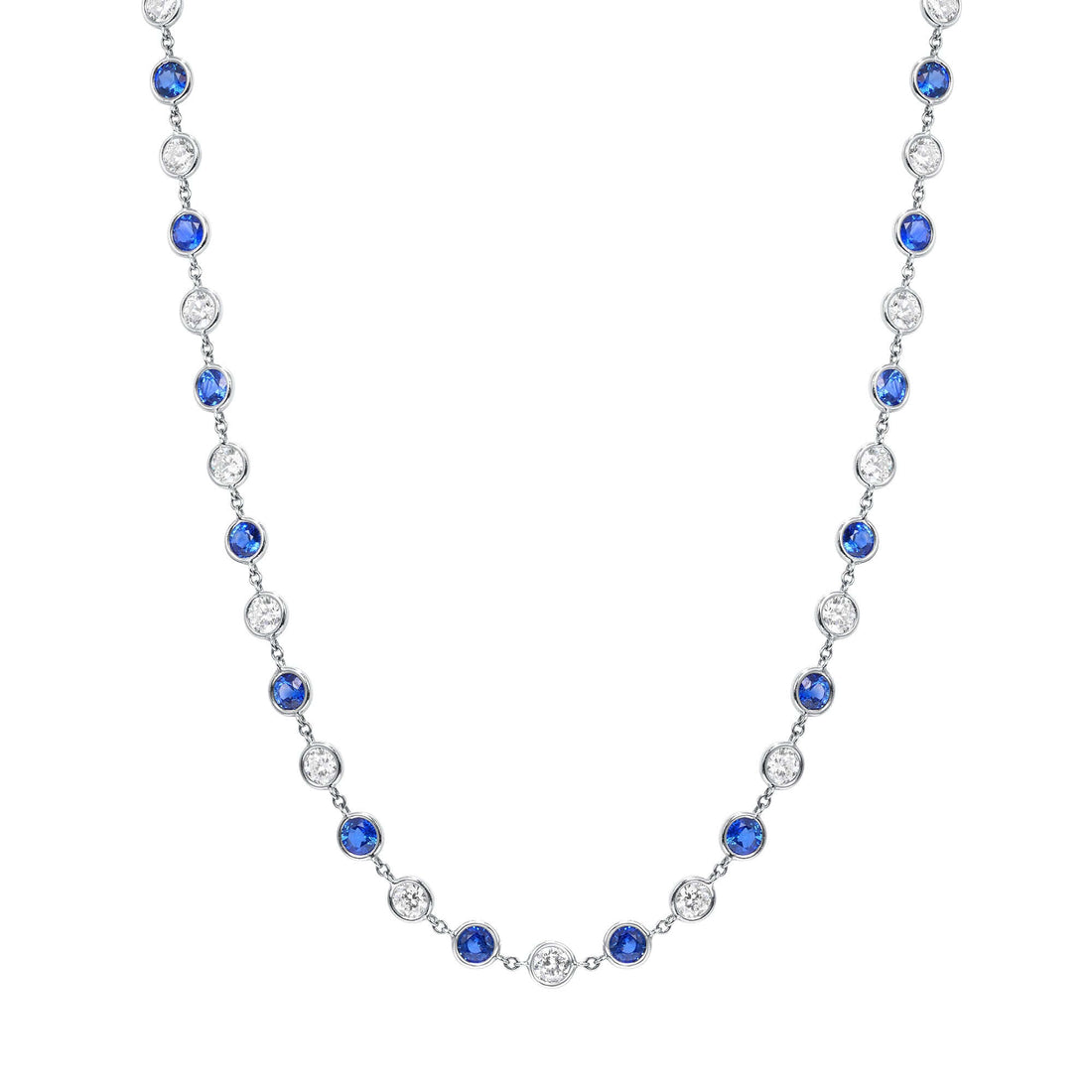
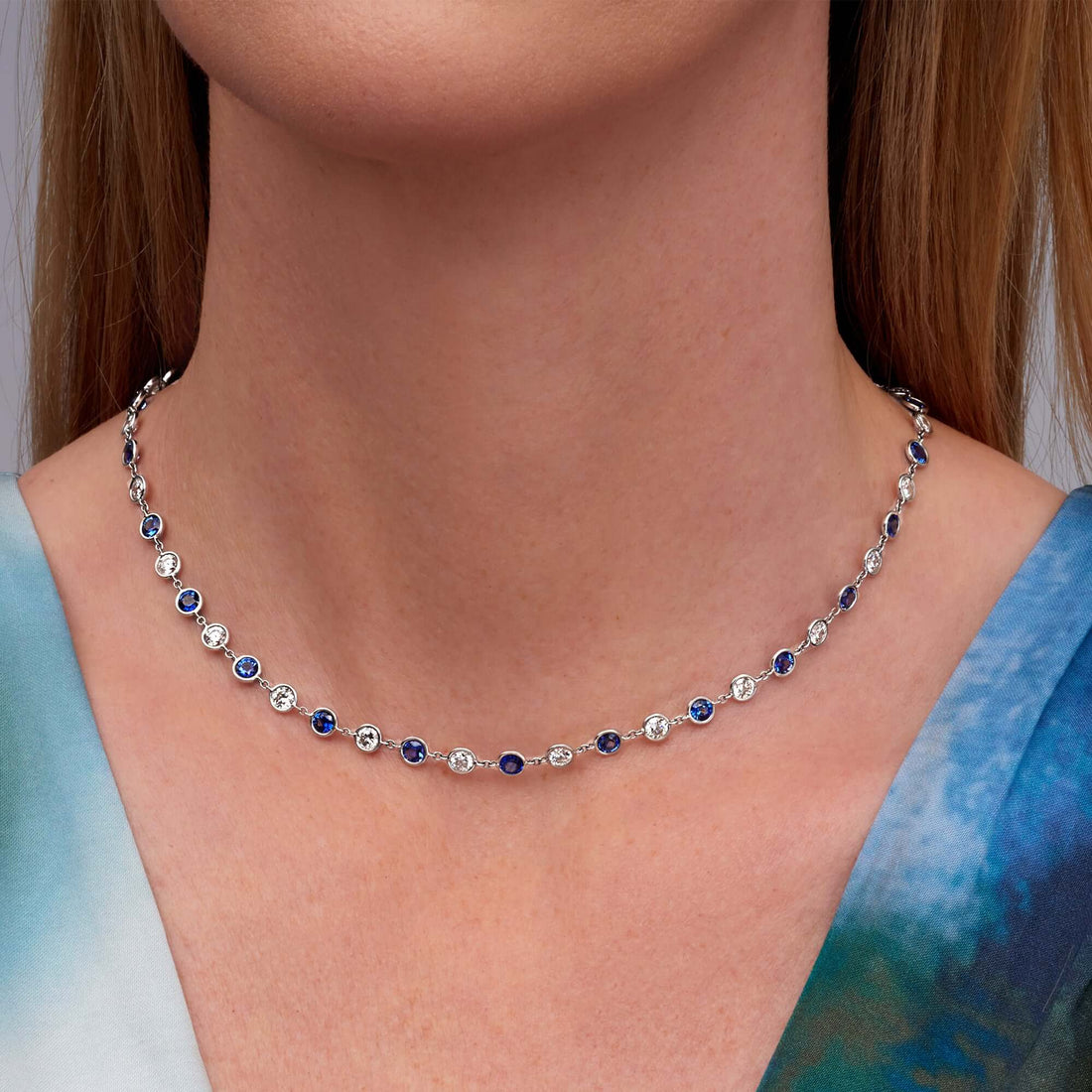 12.9 CT. Alternating Round Brilliant Diamond and Blue Sapphire Bezel Set Necklace in 14K White Gold
- Regular price
-
$18,500.00 USD - Regular price
-
- Sale price
-
$18,500.00 USD
Quick view
-
7.12 CT. Alternating Cushion Cut Fancy Intense Yellow Diamond and Emerald Cut Diamond Ring in 18K Yellow Gold and Platinum
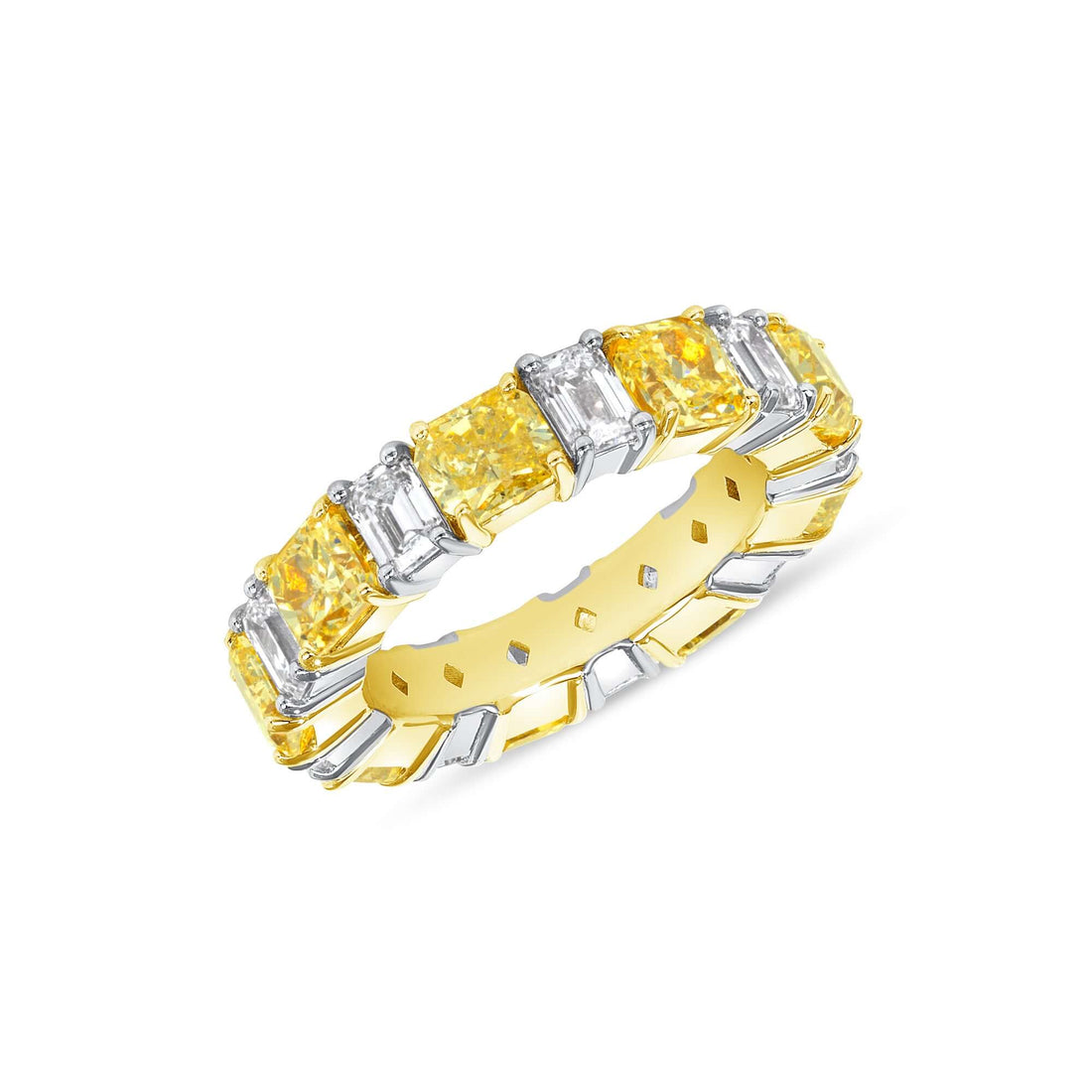
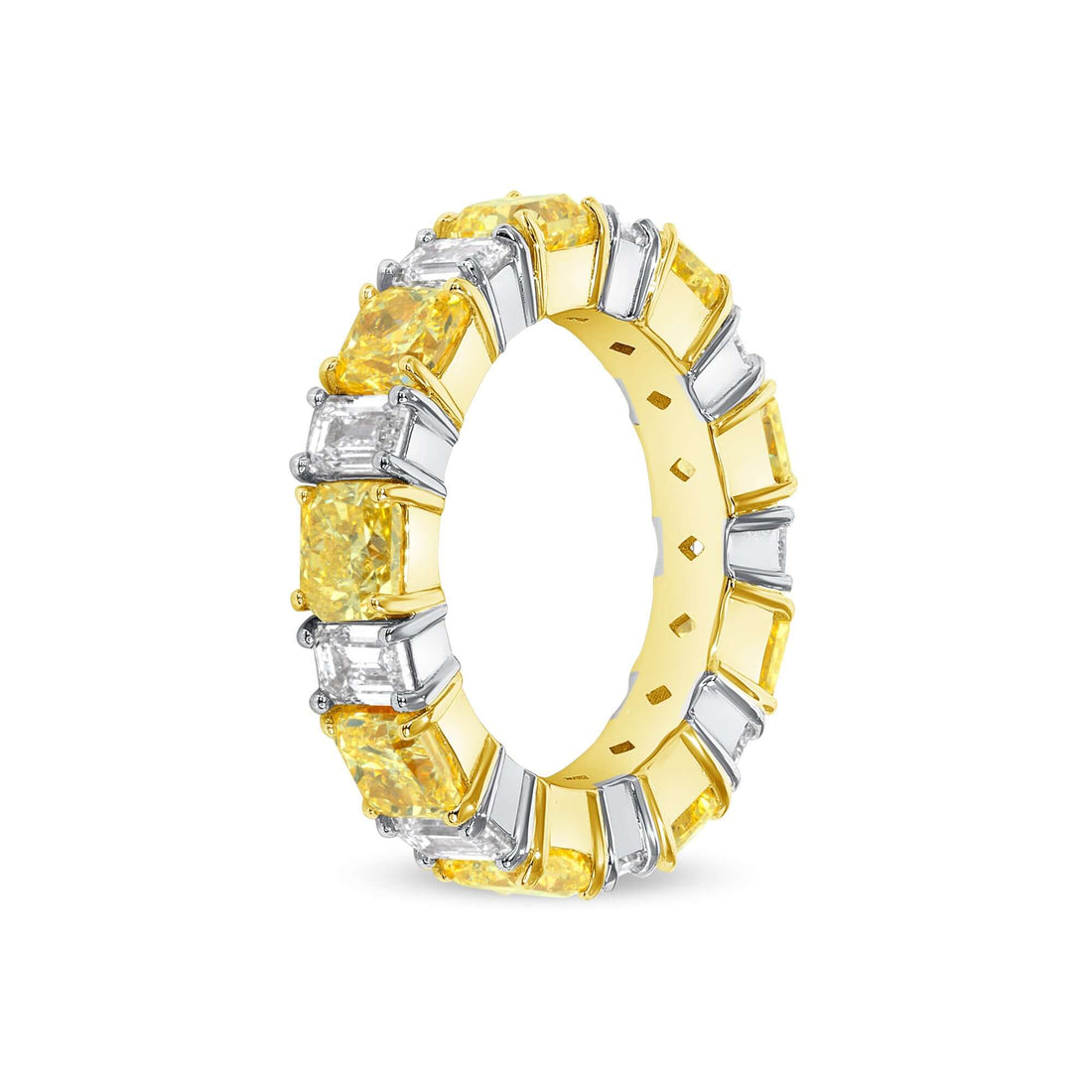 7.12 CT. Alternating Cushion Cut Fancy Intense Yellow Diamond and Emerald Cut Diamond Ring in 18K Yellow Gold and Platinum
- Regular price
-
$19,500.00 USD - Regular price
-
- Sale price
-
$19,500.00 USD
Quick view
-
20.26 CT. Alternating Emerald Cut Blue Sapphire and Emerald Cut Diamond Tennis Bracelet in 14K White Gold
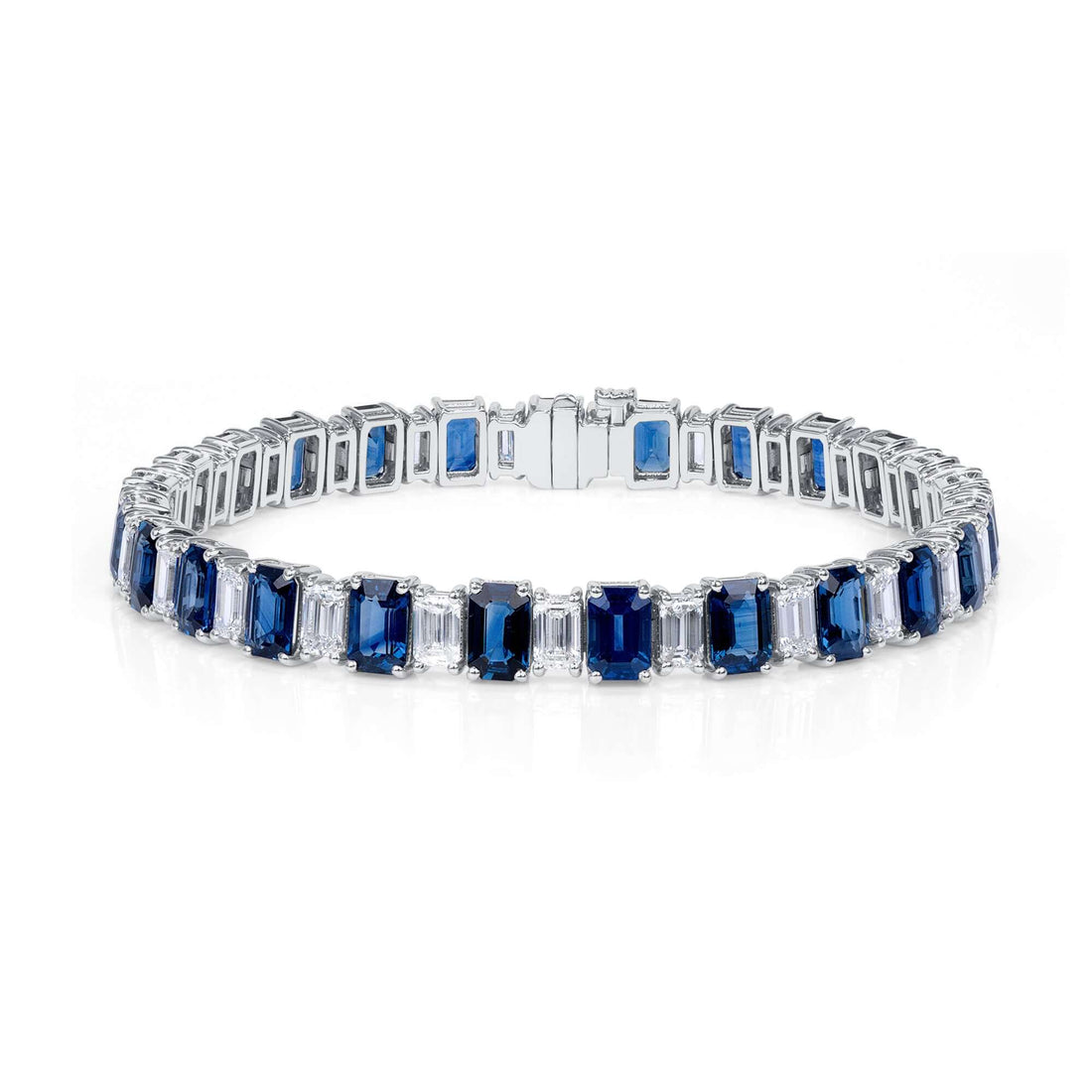
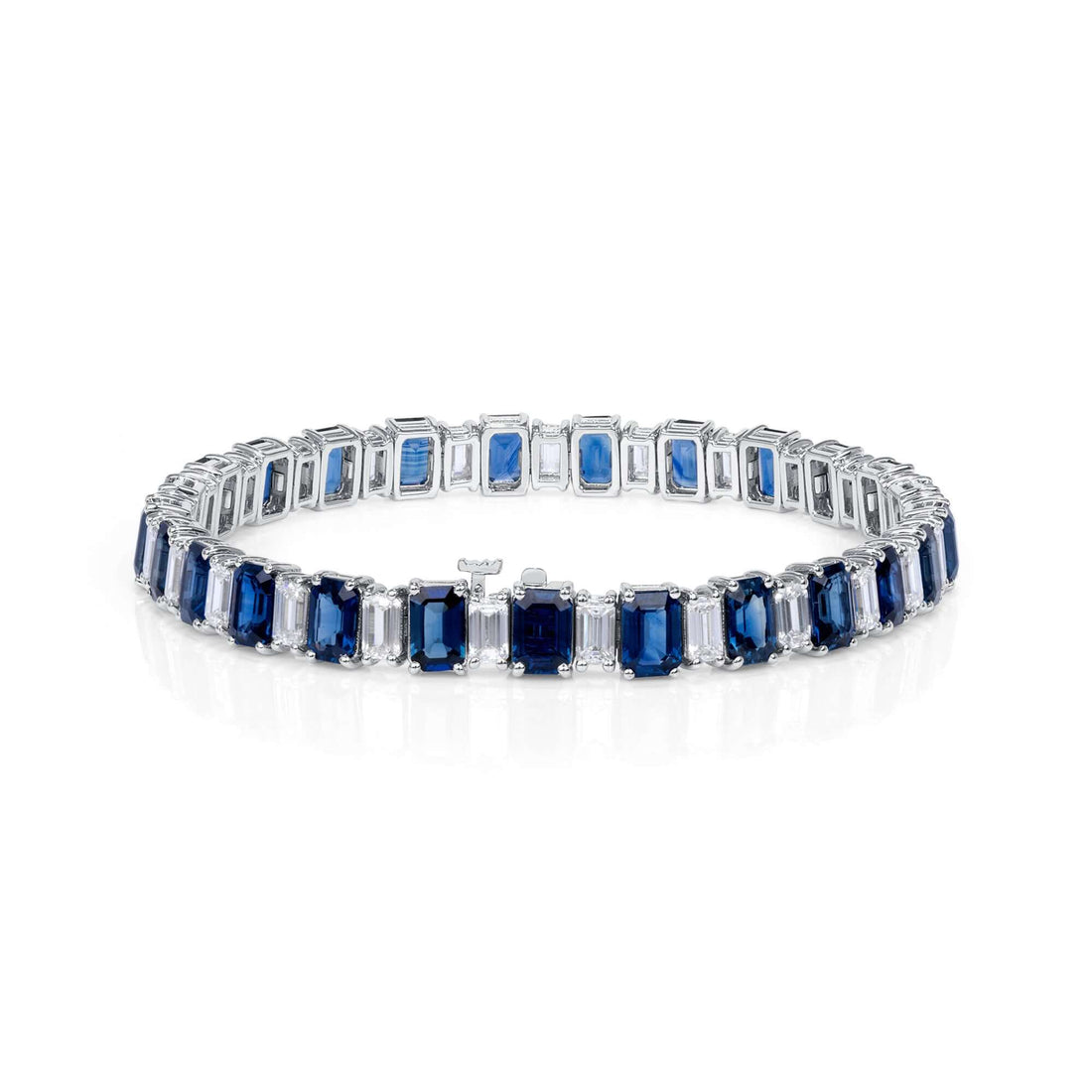 20.26 CT. Alternating Emerald Cut Blue Sapphire and Emerald Cut Diamond Tennis Bracelet in 14K White Gold
- Regular price
-
$24,500.00 USD - Regular price
-
- Sale price
-
$24,500.00 USD
Quick view
-
18.99 CT. Alternating Mixed Cut Sapphire & Diamond Tennis Bracelet in 14K White Gold
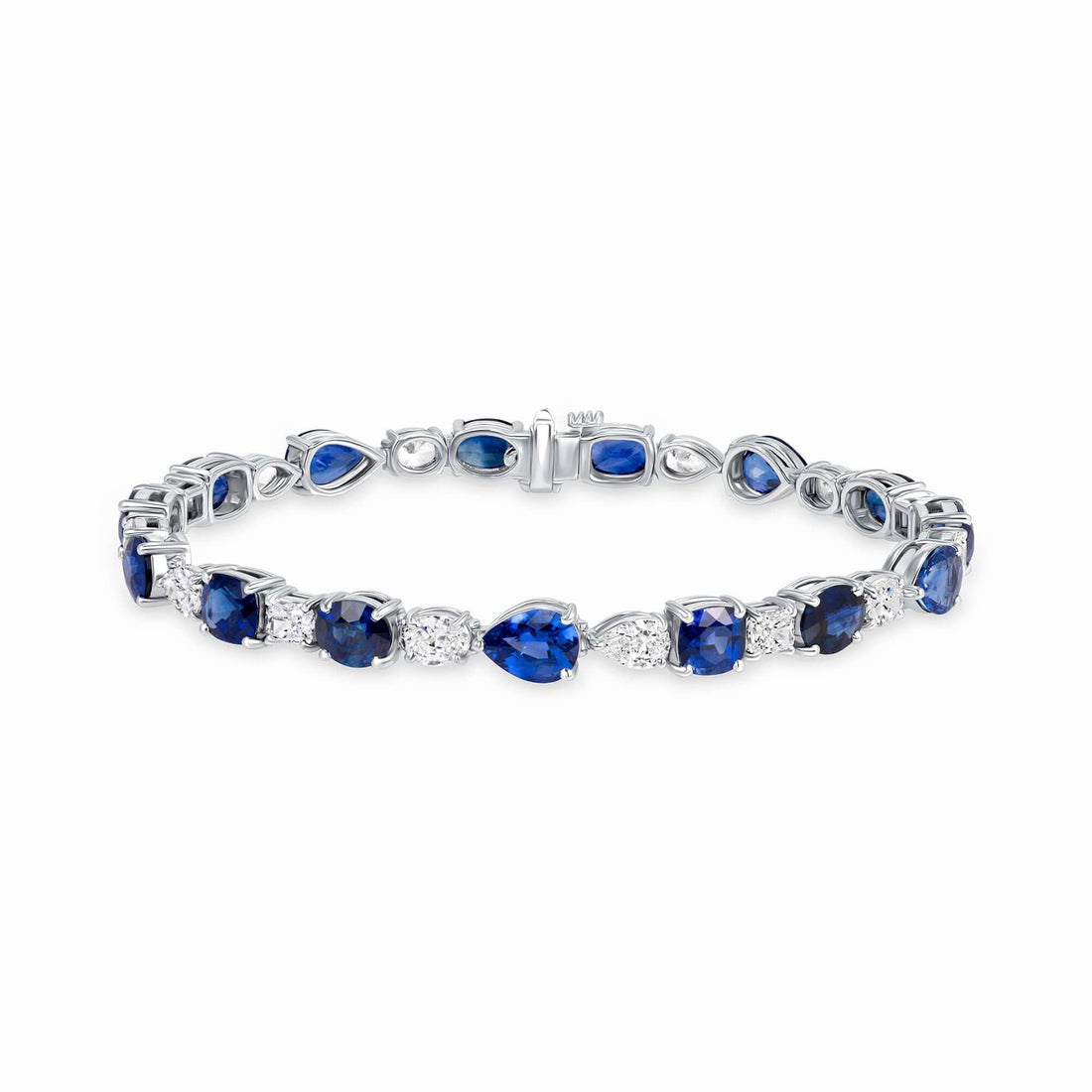
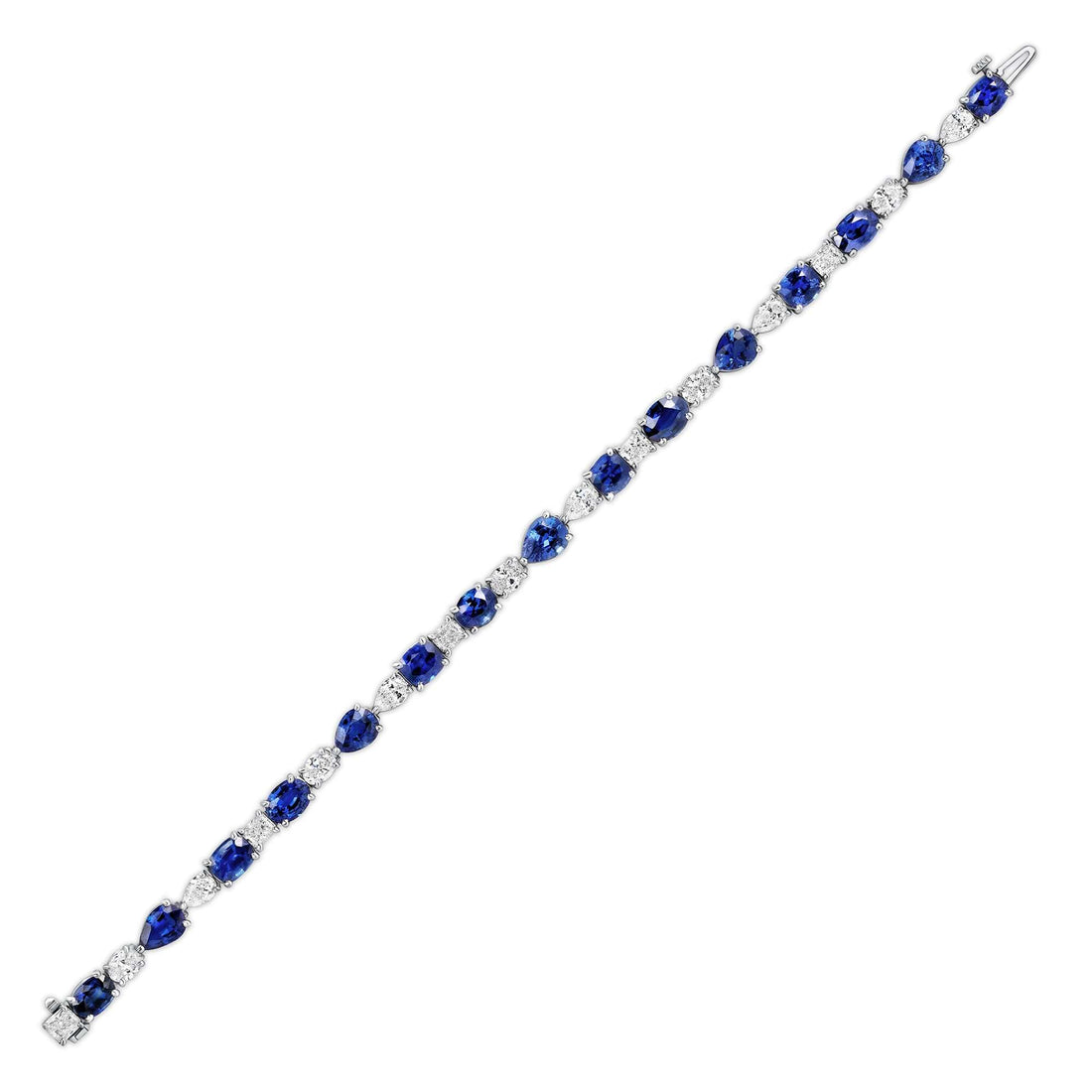 18.99 CT. Alternating Mixed Cut Sapphire & Diamond Tennis Bracelet in 14K White Gold
- Regular price
-
$25,800.00 USD - Regular price
-
- Sale price
-
$25,800.00 USD
Quick view
-
8.31 CT Alternating Fancy Yellow and White Oval Diamond Eternity Band in Platinum and Yellow Gold
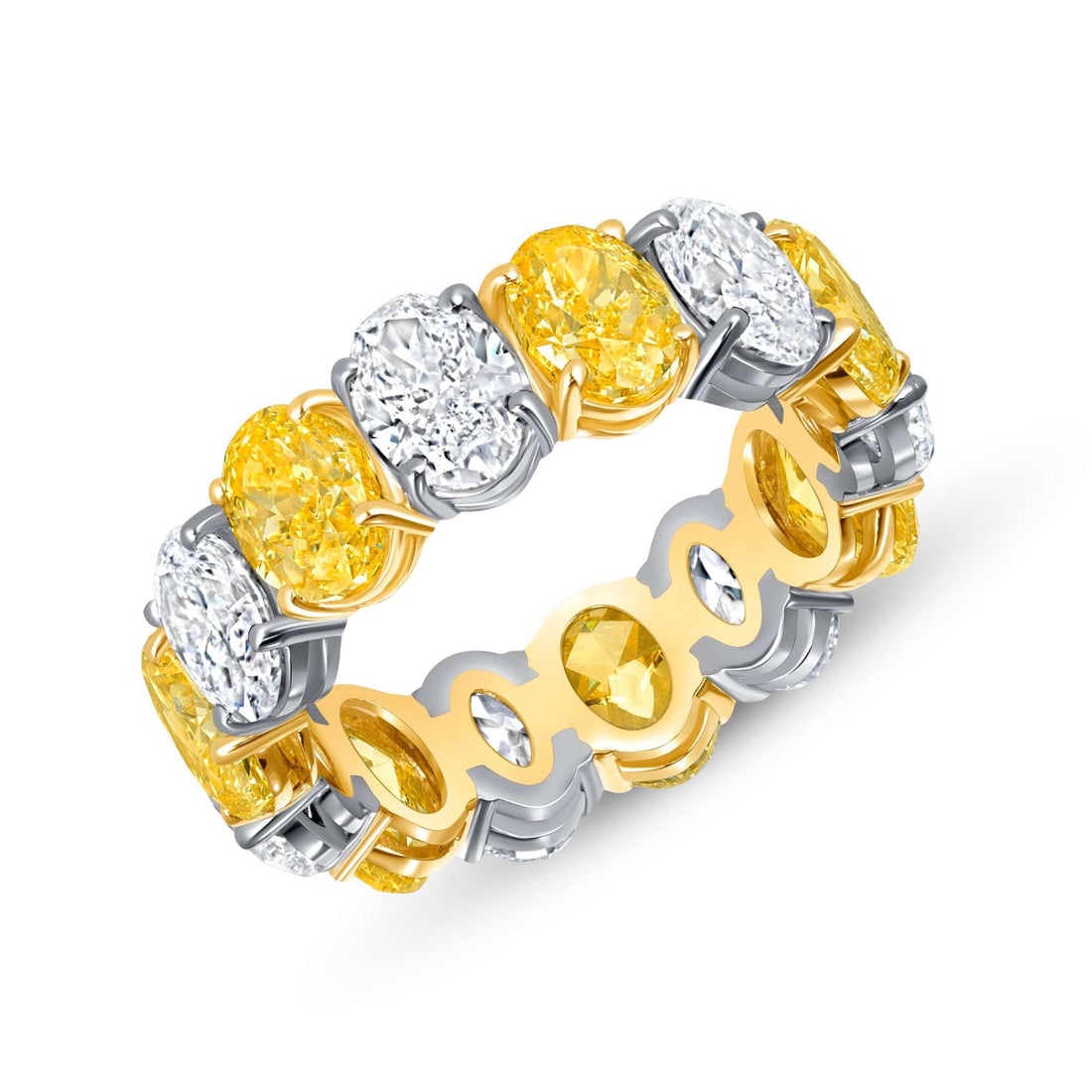
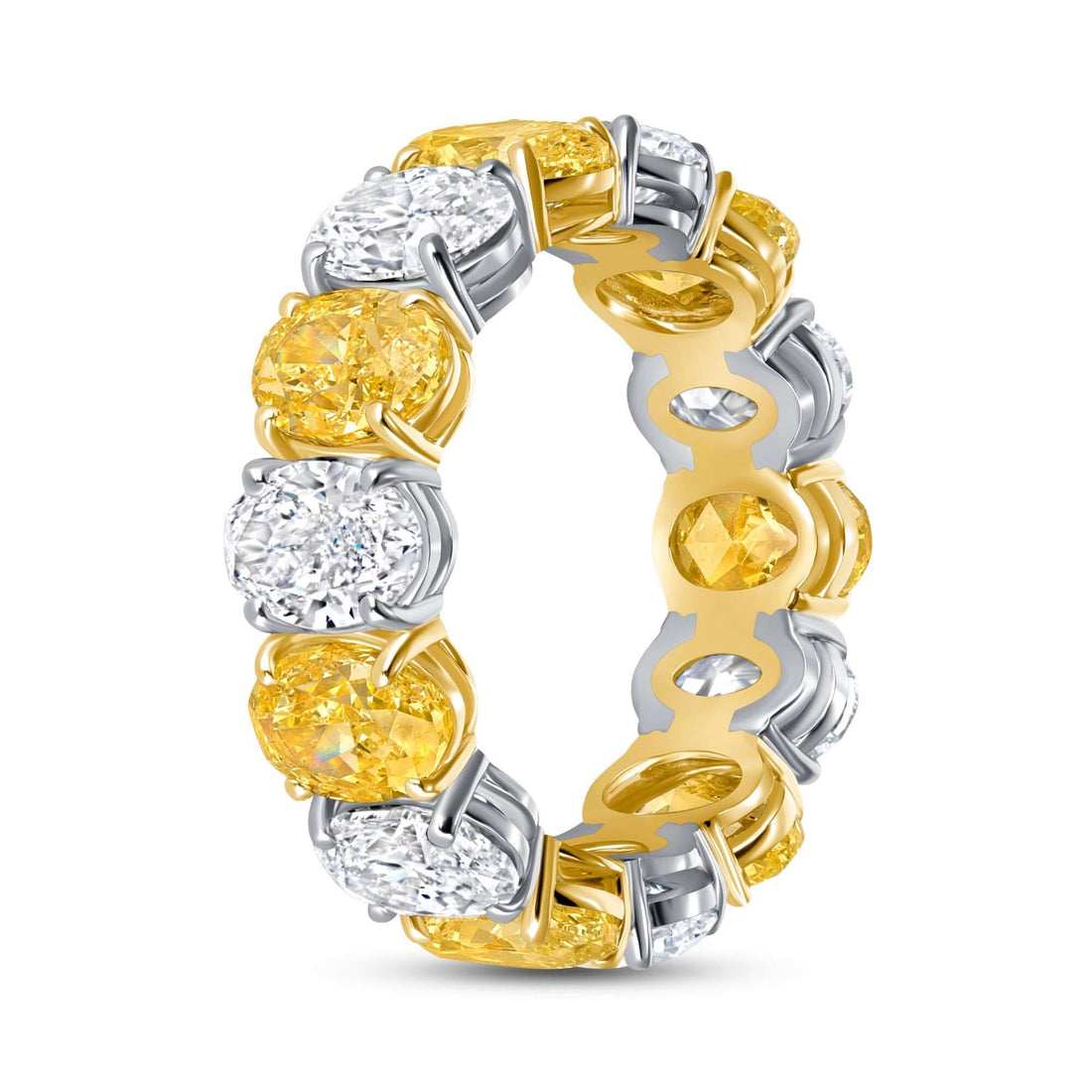 8.31 CT Alternating Fancy Yellow and White Oval Diamond Eternity Band in Platinum and Yellow Gold
- Regular price
-
$28,800.00 USD - Regular price
-
- Sale price
-
$28,800.00 USD
Quick view
-
16.89 CT. Alternating Fancy Yellow & Emerald Cut Diamond Tennis Bracelet in 18K Two Tone Gold
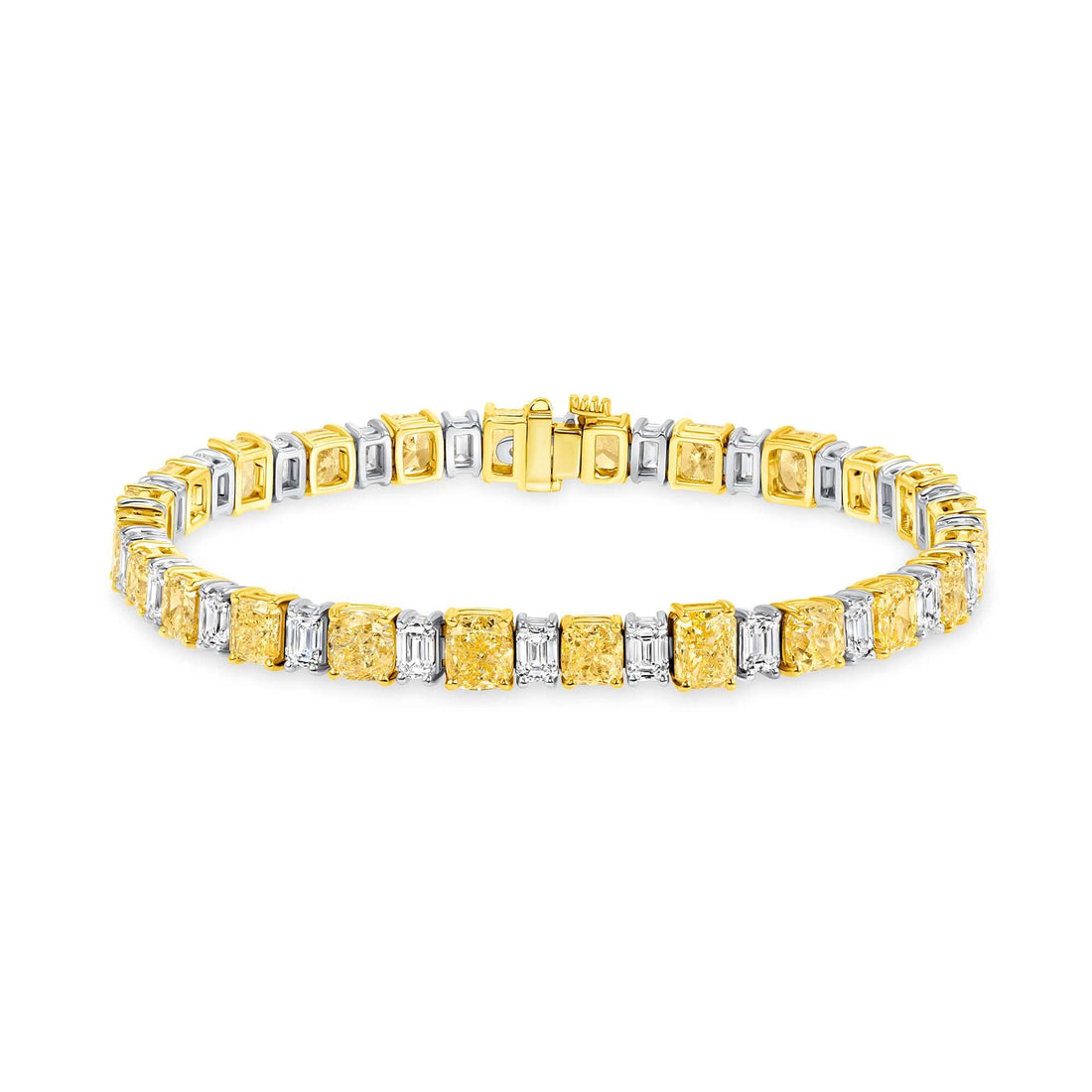
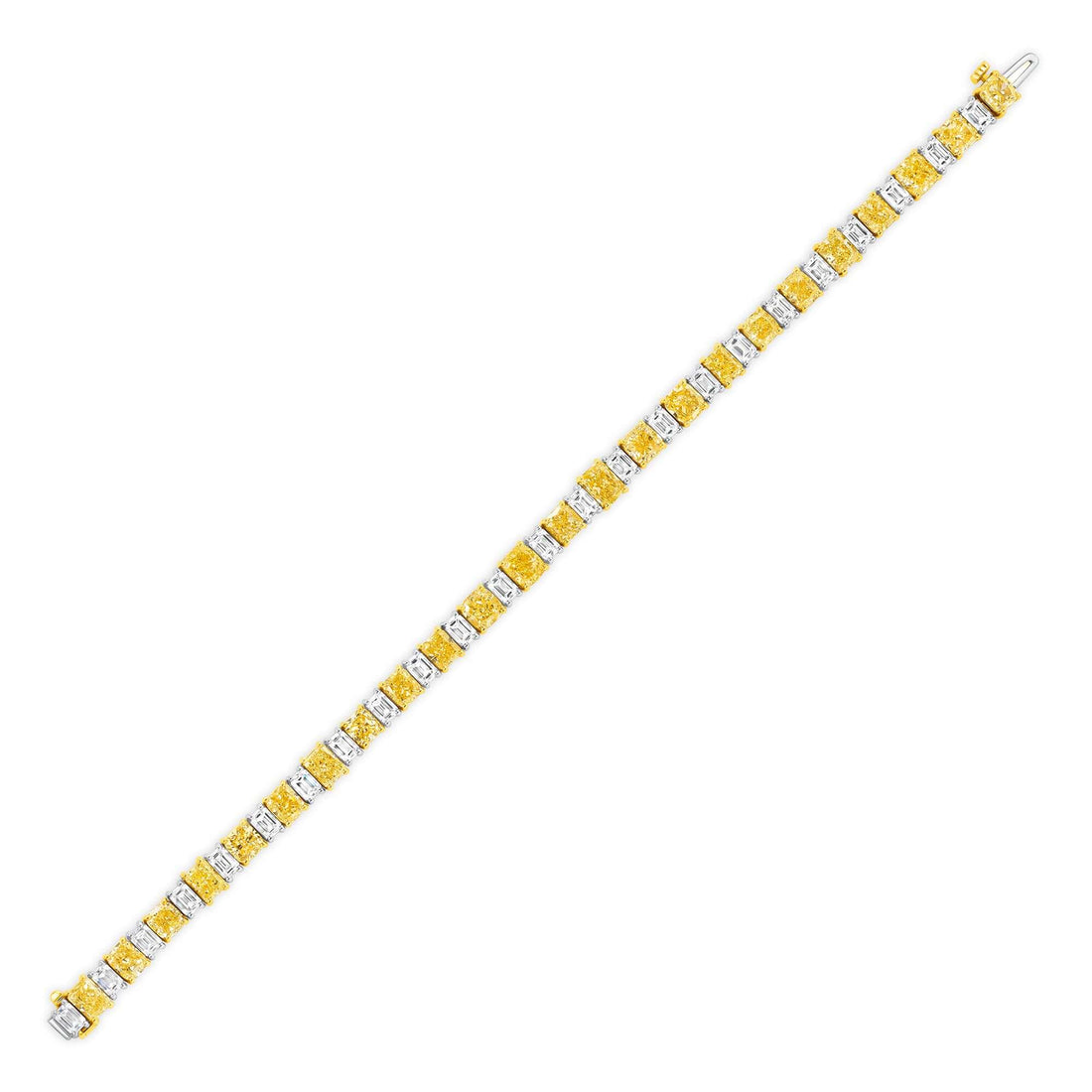 16.89 CT. Alternating Fancy Yellow & Emerald Cut Diamond Tennis Bracelet in 18K Two Tone Gold
- Regular price
-
$34,700.00 USD - Regular price
-
- Sale price
-
$34,700.00 USD
Quick view
-
19.52 CT. Alternating Fancy Yellow Diamond and Pear Cut Diamond Bracelet in 18K White Gold and Yellow Gold
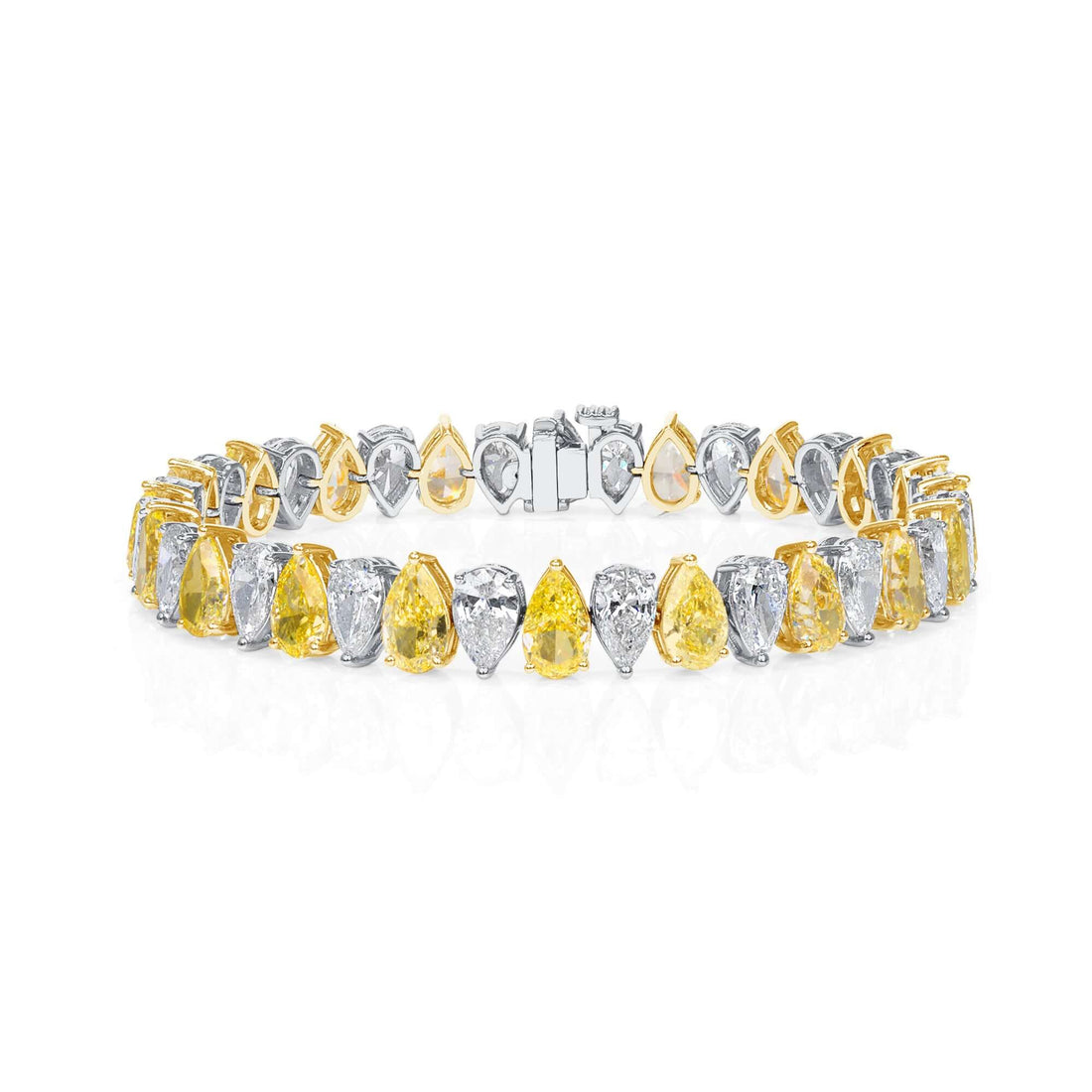
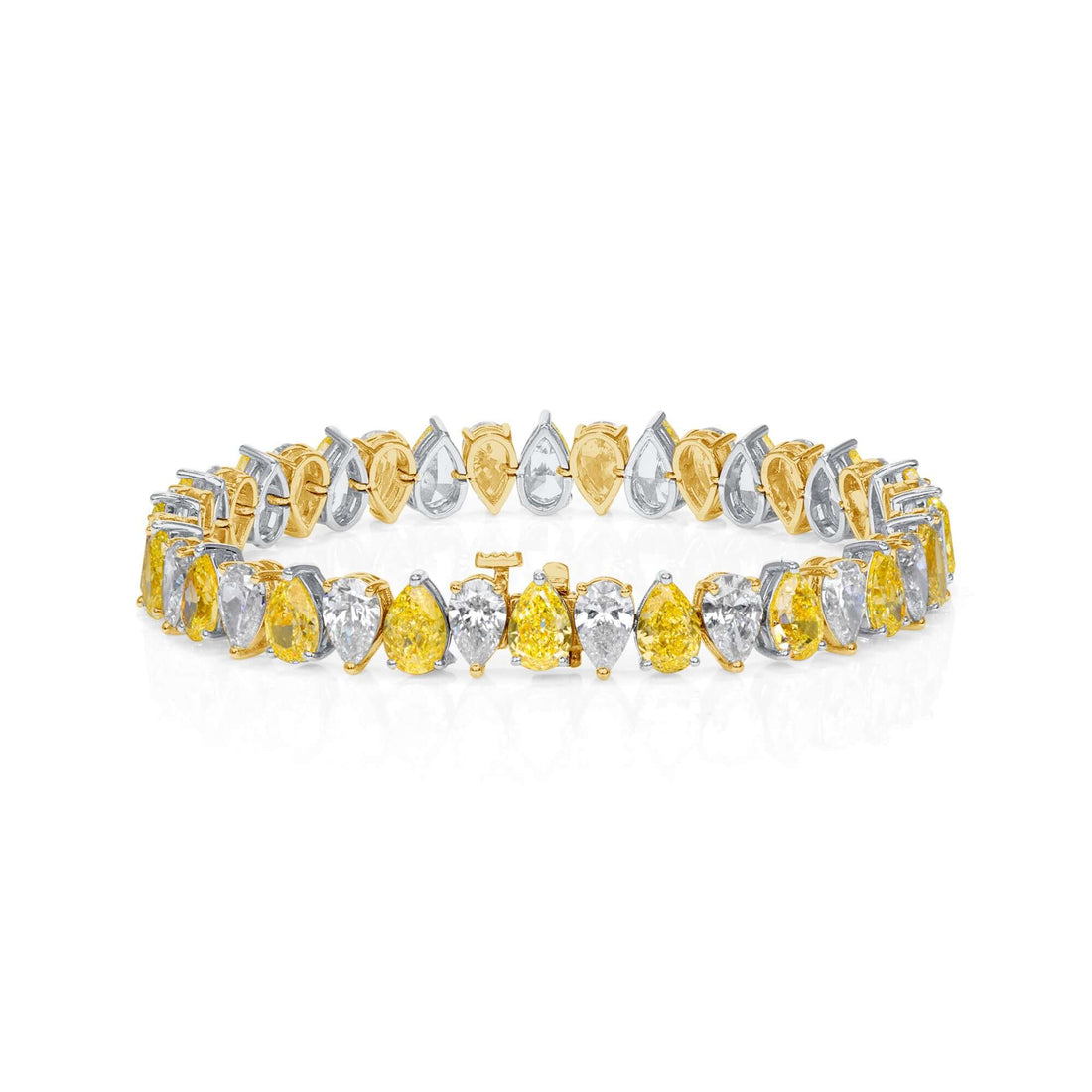 19.52 CT. Alternating Fancy Yellow Diamond and Pear Cut Diamond Bracelet in 18K White Gold and Yellow Gold
- Regular price
-
$37,800.00 USD - Regular price
-
- Sale price
-
$37,800.00 USD
Quick view
-
17.96 CT Alternating Fancy Yellow and White Oval Diamond Bracelet in Platinum and Yellow Gold
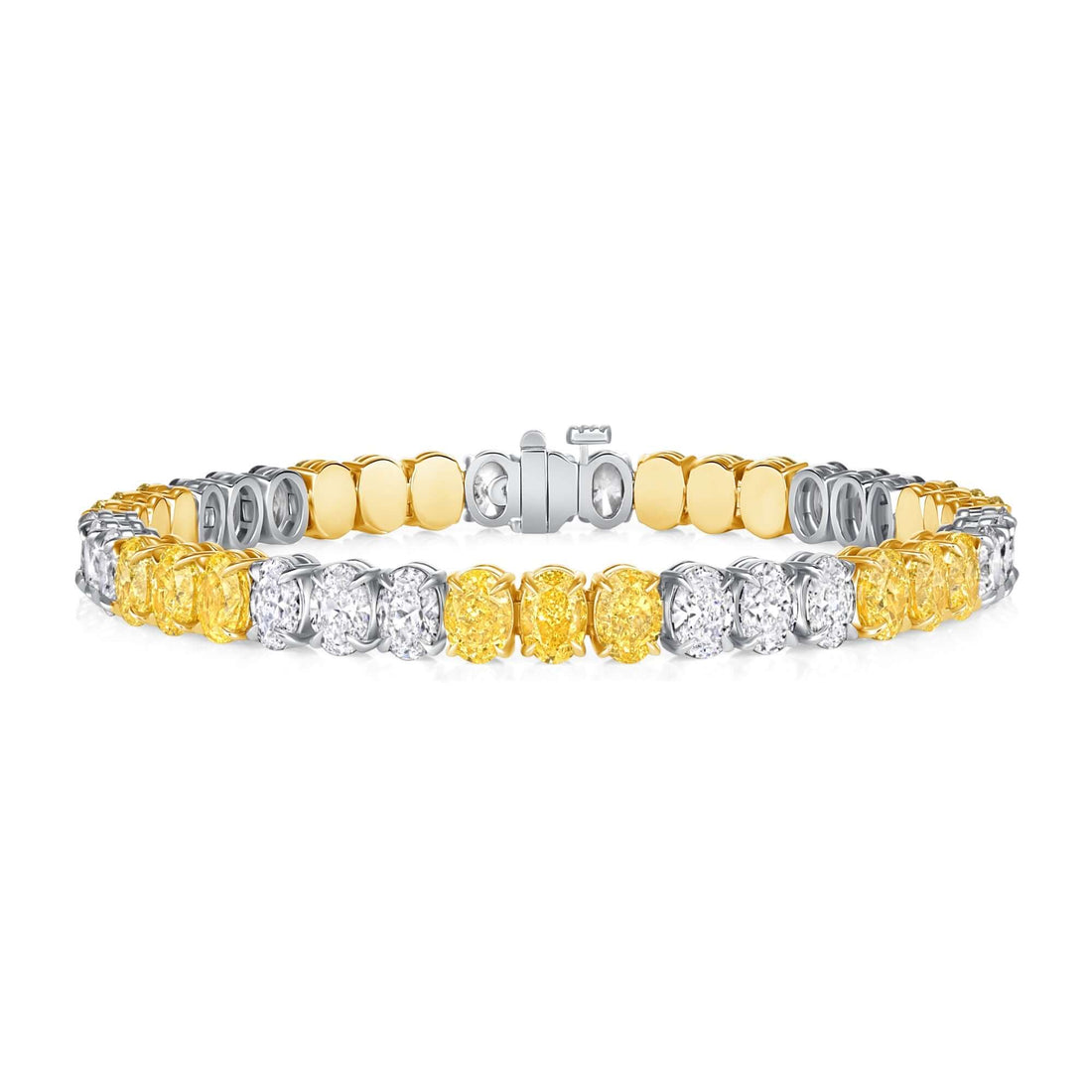
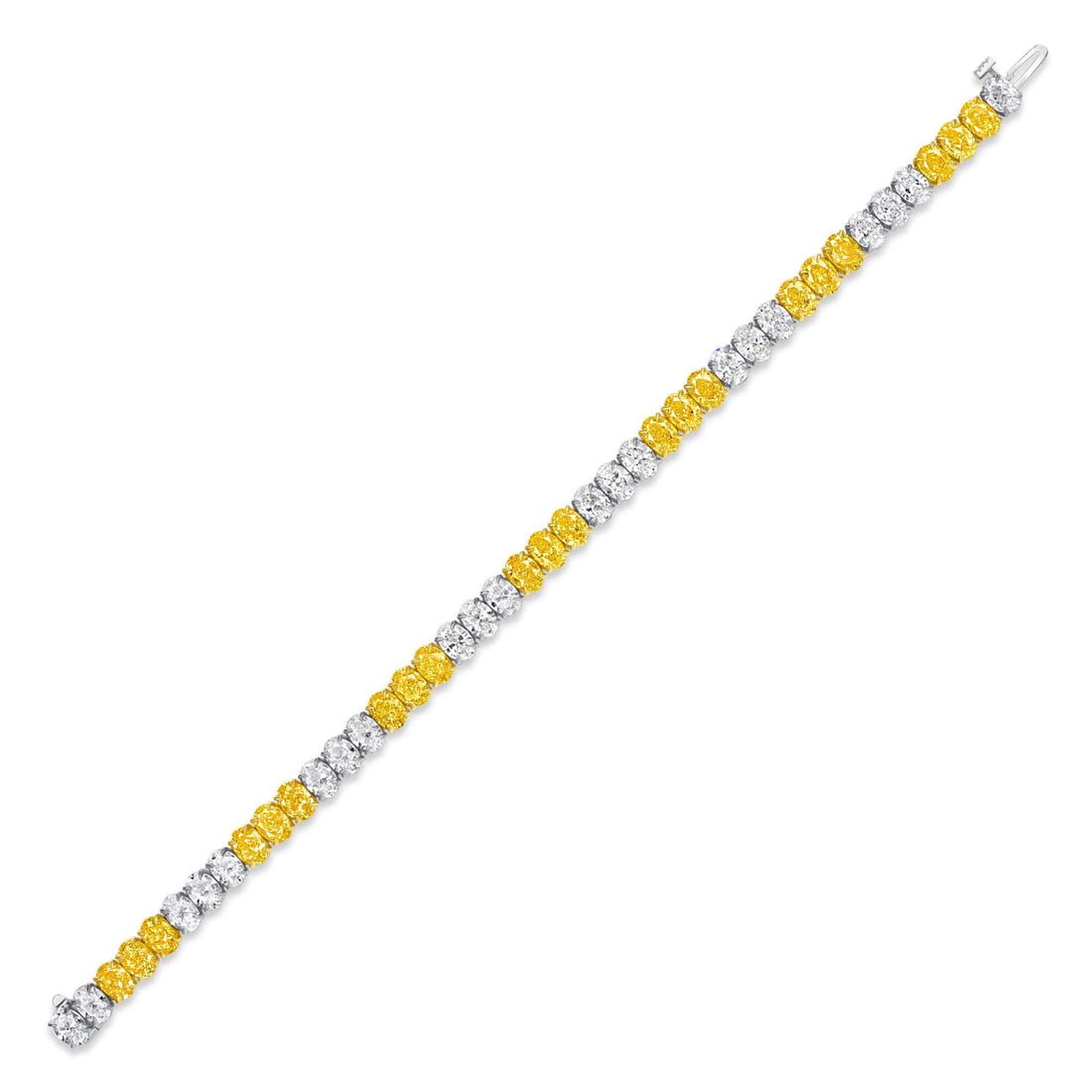 17.96 CT Alternating Fancy Yellow and White Oval Diamond Bracelet in Platinum and Yellow Gold
- Regular price
-
$54,500.00 USD - Regular price
-
- Sale price
-
$54,500.00 USD
Quick view

Alternating Diamond & Gemstone Jewelry in San Francisco
The alternating pattern is one of jewelry's most satisfying rhythms: diamond, gemstone, diamond, gemstone, around a band or along a bracelet, each stone making its neighbor look better. Edward's Jewelry & Imports, a family jeweler in San Francisco since 1983, handcrafts alternating jewelry in platinum and 18K and 14K gold, with every stone natural and hand-matched for size and color.
Sapphire, Ruby, and Fancy Yellow Diamond Combinations
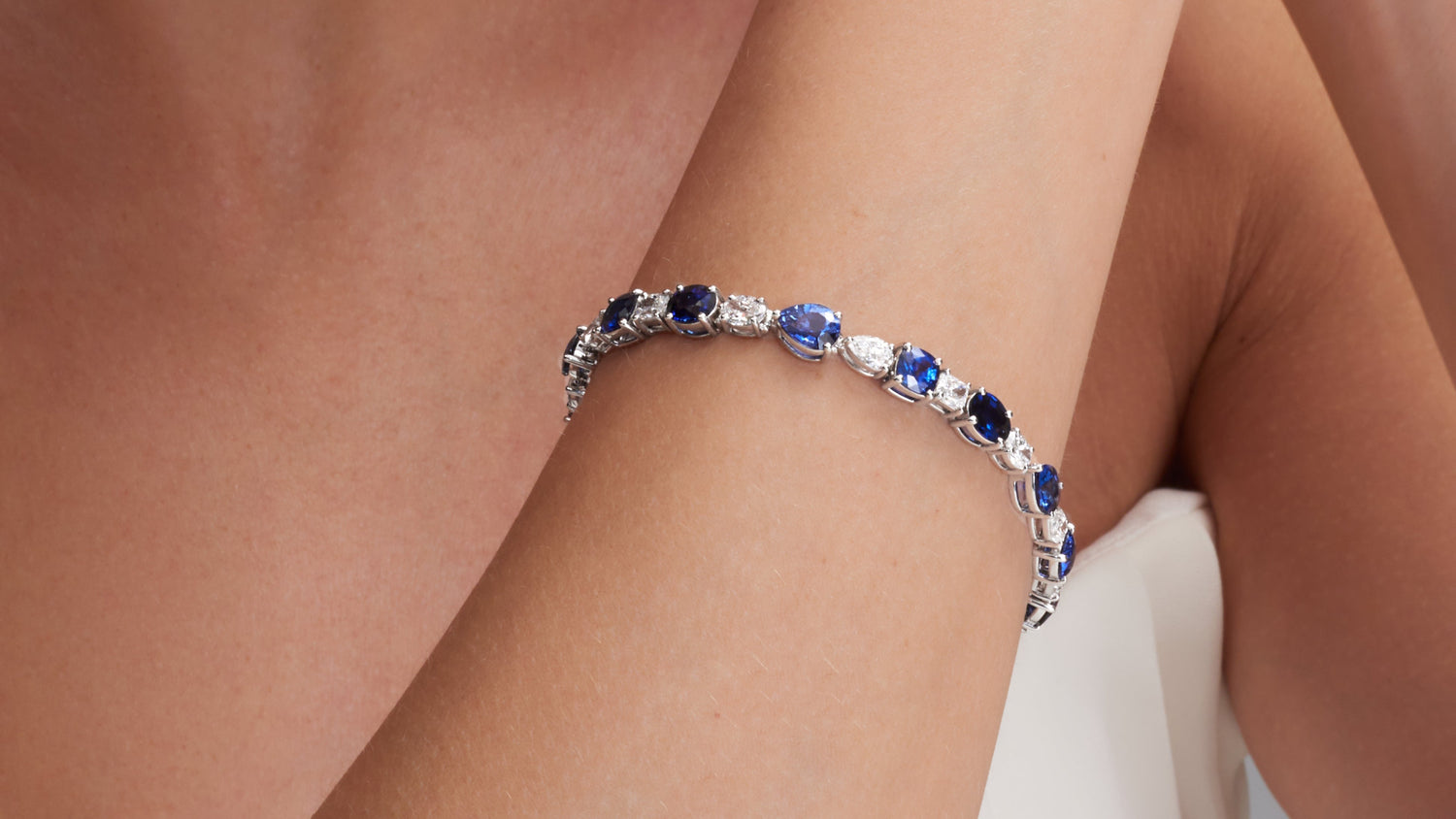
The collection pairs white diamonds with vivid blue sapphires, rubies, and our house specialty, natural fancy yellow diamonds. You will find alternating eternity and half eternity bands, halfway rings, hoop earrings, bezel-set necklaces, and tennis bracelets running up to statement weights above 20 carats total. Cuts range from round brilliant and princess to emerald, oval, cushion, and pear, and every combination of stones is disclosed with certification details and any treatments before you buy.
A Pattern Worth Seeing in Person
Alternating jewelry lives or dies on matching: the gemstones must agree in color and the diamonds in brightness, or the rhythm breaks. That hand-matching is exactly what our family has done for three generations. Judge it yourself at our Brannan Street showroom in the San Francisco Gift & Jewelry Center, or book an online consultation from anywhere in the US. Every piece carries our lifetime warranty against manufacturing defects, in-stock pieces under $10,000 ship free within the US, and our custom design studio can build an alternating piece around the stones and pattern you want.